




As we move through 2021, the food industry is seeing some significant shifts. The pandemic changed how we eat, shop, and think about food. Now, more than ever, consumers are looking for transparency, health benefits, and convenience in their meals. This article highlights the key food business trends of 2021 that every food entrepreneur should be aware of to adapt and thrive in this evolving landscape.
Key Takeaways
- Consumers want clear information about ingredients and sourcing.
- Health-focused foods are in high demand, especially those that boost immunity.
- Plant-based options are becoming mainstream, with more innovative products emerging.
- Convenience is key; people are looking for easy meal solutions and restaurant flavors at home.
- Nostalgia is driving trends; comfort foods are being modernized with new twists.
Consumer Demand For Transparency
Consumers are more curious than ever about what they’re eating. It’s not just about the ingredients list anymore; people want the whole story. They want to know where their food comes from, how it’s made, and whether it aligns with their values. This demand for transparency is reshaping the food industry.
Importance Of Clean Labels
Clean labels are no longer a nice-to-have; they’re a must-have. People want to easily understand what’s in their food, without needing a chemistry degree. This means avoiding artificial ingredients, additives, and anything that sounds remotely scary. The simpler, the better. Brands that prioritize clear, concise labeling are winning trust and loyalty. It’s about building confidence in the product and the company behind it. Consumers are actively seeking out food packaging transparency and brands that provide it.
Ethical Sourcing Practices
It’s not enough for food to taste good; it has to do good. Consumers are increasingly concerned about ethical sourcing. This includes fair labor practices, animal welfare, and environmental impact. They want to know that the ingredients in their food were produced in a responsible and sustainable way. Companies that can demonstrate a commitment to ethical sourcing are gaining a competitive edge. It’s about aligning business practices with consumer values.
Understanding Supply Chains
People want to know where their food comes from. They’re interested in the journey from farm to table. This means understanding the supply chain. Companies are starting to provide more information about their suppliers, their production methods, and their distribution networks. This level of transparency builds trust and allows consumers to make informed choices. It’s about connecting consumers with the people and processes behind their food.
Consumers are increasingly skeptical of marketing claims and demand verifiable information. They want to see proof that companies are doing what they say they’re doing. This requires a shift towards greater openness and accountability throughout the food industry.
Health-Centric Food Choices
Focus On Immune Health
It’s no surprise that with recent events, everyone’s thinking more about their health, especially their immune system. People are actively seeking out foods and drinks that can give their immunity a boost. This isn’t just a passing fad; it’s a real shift in how people shop and eat. Expect to see even more products hitting the shelves that highlight immune-boosting ingredients.
Rise Of Functional Foods
Functional foods are stepping into the spotlight. These aren’t your average eats; they’re packed with extra nutrients and benefits that go beyond basic nutrition. Think foods with added vitamins, minerals, or probiotics. People want their food to do more than just fill them up; they want it to actively contribute to their well-being. The demand for healthy foods that offer specific health advantages is only going to increase.
Nutritional Science Innovations
Science is playing a bigger role in what we eat. People trust that food and beverage progress is being made through science. Food companies are using new technologies and research to make foods healthier, more sustainable, and more ethical. This includes everything from improving the nutritional value of foods to finding new ways to reduce sugar, salt, and fat without sacrificing taste. It’s all about using science to meet what consumers expect.
Consumers are increasingly interested in the science behind their food. They want to know how it’s made, what’s in it, and how it benefits them. This demand for transparency and scientific backing is driving innovation in the food industry.
Plant-Based Products On The Rise
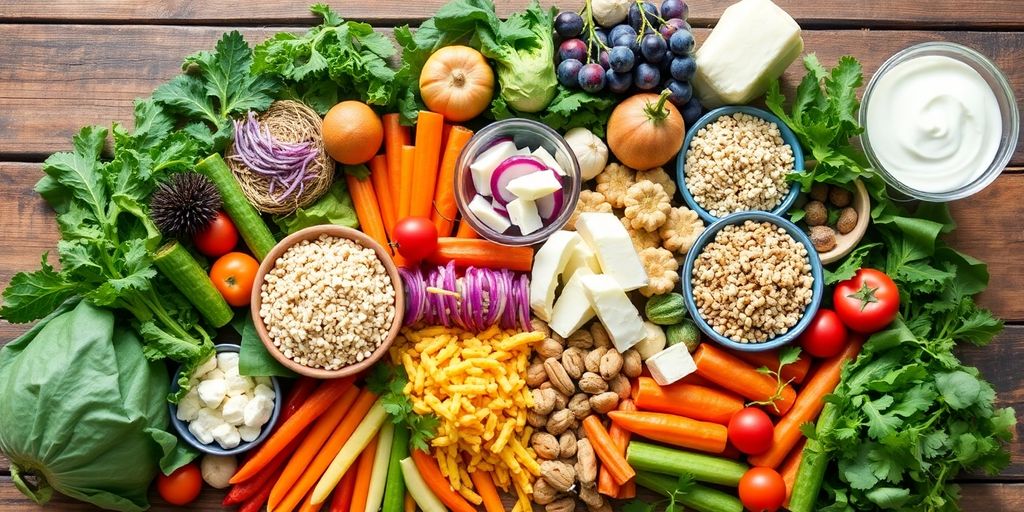
The plant-based market is exploding, and it’s not just a niche trend anymore. We’re seeing plant-based options popping up everywhere, from fast-food chains to high-end restaurants. It’s a full-blown movement, and it’s changing how people think about food. The growth is driven by a number of factors, including health concerns, environmental awareness, and ethical considerations. People are actively seeking alternatives to traditional animal products, and the food industry is responding in a big way.
Global Growth Of Plant Proteins
The global plant-based food market is projected to reach incredible heights in the coming years. Investment firms are predicting massive growth, and consumer interest is definitely there. This isn’t just about tofu anymore; we’re talking about sophisticated alternatives that mimic the taste and texture of meat, dairy, and eggs. The demand for plant-based meat grocery store sales is increasing, and companies are racing to develop new and innovative products to meet that demand.
Mainstream Acceptance Of Plant-Based Foods
Plant-based foods have officially gone mainstream. What was once considered a fringe dietary choice is now widely accepted and even celebrated. You can find plant-based options in almost every grocery store and restaurant. This shift is due in part to increased awareness of the health and environmental benefits of plant-based diets. More and more people are identifying as flexitarian, meaning they’re reducing their meat consumption without completely eliminating it. This trend is driving the demand for convenient and delicious plant-based alternatives.
Innovative Plant-Forward Recipes
Chefs and food developers are getting incredibly creative with plant-based ingredients. It’s not just about replacing meat with tofu; it’s about creating entirely new dishes that showcase the versatility and flavor of plants. We’re seeing innovative uses of ingredients like jackfruit, mushrooms, and legumes to create dishes that are both satisfying and nutritious. The rise of flavor solutions specifically designed for plant-based applications is also helping to improve the taste and texture of these products. Expect to see even more exciting and unexpected plant-forward recipes in the coming years.
The plant-based revolution is more than just a trend; it’s a fundamental shift in how we think about food. Consumers are demanding healthier, more sustainable, and more ethical options, and the food industry is responding with a wave of innovation. This is an exciting time for plant-based food, and we can expect to see even more growth and innovation in the years to come.
Convenience And On-Demand Consumption
It’s no secret that life is busy, and people want what they want, when they want it. The food industry is responding in a big way. Consumers are increasingly embracing options that fit seamlessly into their hectic schedules. This trend isn’t just a fad; it’s a fundamental shift in how people approach eating.
Omni-Channel Eating Habits
We’re not just talking about delivery apps anymore. Omni-channel eating means people are grabbing food from all sorts of places – grocery stores, restaurants, meal kit services, and even directly from manufacturers. It’s about having options and choosing whatever is most convenient at that moment. This also means that food companies need to have a presence across multiple channels to reach consumers where they are. The rise of startup success depends on adapting to these evolving consumer behaviors.
Meal Kits And Ready-To-Eat Options
Meal kits and ready-to-eat meals are booming. People love the idea of a home-cooked meal without all the prep work. It’s a sweet spot between convenience and control. Here’s a quick look at why they’re so popular:
- Saves time on grocery shopping and meal planning.
- Reduces food waste by providing pre-portioned ingredients.
- Offers a variety of cuisines and dietary options.
Restaurant Flavors At Home
Who doesn’t love restaurant food? But going out to eat every night isn’t always feasible. That’s why there’s a growing demand for restaurant-quality meals that can be enjoyed at home. This includes everything from frozen entrees to sauces and seasonings that allow people to recreate their favorite dishes. Food brands are partnering with restaurants to bring those signature [flavor solutions] to grocery store shelves.
The desire for convenience isn’t just about saving time; it’s about enhancing the overall eating experience. People want delicious, high-quality food that fits into their lifestyles, and they’re willing to pay for it. This trend is here to stay, and food businesses that embrace it will be well-positioned for success.
Innovative Flavor Experiences
Product Mash-Ups
Consumers are definitely looking for something new, and that includes some wild flavor combinations. Think outside the box – or the cereal box, for that matter. People are way more open to trying unexpected pairings than ever before. It’s not just about throwing things together randomly; it’s about finding that sweet spot where two seemingly different flavors complement each other in a surprising way.
Sensory Exploration In Food
It’s not just about taste anymore; it’s about the whole experience. What does it smell like? What’s the texture like in your mouth? Does it make a satisfying crunch? All of these things play a huge role in how we perceive flavor. Food companies are starting to pay more attention to these sensory details, creating products that engage all of our senses. For example, Innova research shows that a large percentage of consumers are interested in trying new sensory experiences.
Culinary Creativity And Trends
Culinary creativity is at an all-time high, and trends are changing faster than ever. What’s hot one day is old news the next. It’s important to stay on top of what’s happening in the food world, whether it’s a new cooking technique, a trendy ingredient, or a unique flavor profile. Keeping an eye on global influences can also spark some really interesting ideas. For example, adding exotic ingredients to familiar products can create a modern twist.
I think the biggest thing is that people are just more adventurous with their food choices these days. They’re willing to try new things, and they’re looking for unique and exciting experiences. It’s a great time to be in the food industry because there’s so much opportunity for innovation.
Modern Nostalgia In Food Trends
Comfort Foods With A Twist
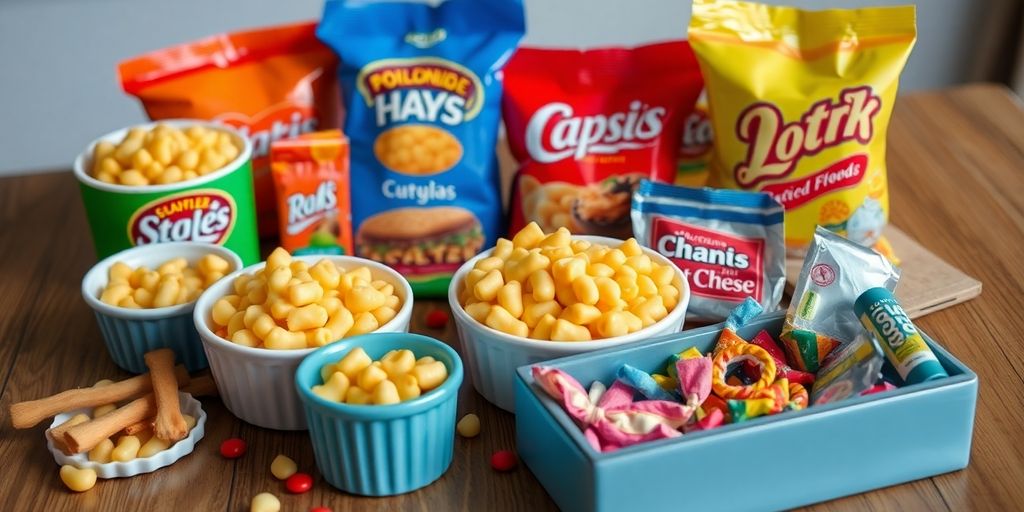
When things get tough, people often turn to what they know and love. That’s why comfort foods are making a huge comeback, but with a modern spin. Think gourmet grilled cheese with artisanal bread and fancy cheeses, or mac and cheese with truffle oil and lobster. It’s about taking those familiar flavors and elevating them. People want the security of the past with the excitement of the present.
Reviving Classic Recipes
Grandma’s recipes are cool again! Home cooks and chefs alike are digging into old cookbooks and family traditions to bring back forgotten dishes. But it’s not just about replicating the past; it’s about understanding the techniques and ingredients, then updating them for today’s tastes. Maybe it’s a new way to prepare a pot roast, or a lighter, healthier version of a classic pie. The key is to respect the original while making it relevant for a new generation. It’s interesting to see how these recipes evolve over time, adapting to new ingredients and cooking methods.
Global Influences On Traditional Dishes
One of the coolest things happening in food right now is how global flavors are mixing with traditional dishes. People are taking inspiration from all over the world and adding it to their favorite comfort foods. Imagine a shepherd’s pie with Korean kimchi or tacos with Indian spices. It’s a way to experience new cultures and flavors without straying too far from what’s familiar. This trend is driven by a more adventurous and globally-aware consumer base, and it’s leading to some seriously delicious and unexpected combinations. Businesses need a digital marketing strategy to keep up with these trends.
It’s all about finding that sweet spot between the familiar and the new. People want to feel comforted and excited at the same time, and these trends are delivering just that. It’s a fun time to be a food lover, with so much creativity and innovation happening in the kitchen.
Here are some examples of global influences on traditional dishes:
- Mexican-Korean fusion tacos
- Italian pasta with Japanese miso
- American burgers with Southeast Asian spices
Sustainability And Ethical Practices
It’s not just about what we eat anymore, but how it gets to our plates. Consumers are way more aware, and they expect companies to step up.
Reducing Food Waste
Food waste is a huge problem, and people are starting to realize it. It’s not just about throwing away leftovers; it’s about the resources used to produce that food in the first place. Here’s what I’ve noticed:
- More restaurants are offering smaller portion sizes.
- Grocery stores are partnering with apps to sell food that’s close to its expiration date at a discount.
- People are getting creative with leftovers, turning them into new meals.
Reducing food waste isn’t just good for the planet; it’s good for your wallet too. Think about all the money you throw away each week with uneaten food. It adds up!
Sustainable Sourcing
Where your food comes from matters. People want to know that the ingredients in their food are sourced responsibly, with minimal impact on the environment and fair treatment of workers. It’s about ethical sourcing practices and knowing the story behind your food.
Consumer Expectations For Eco-Friendly Products
Consumers are voting with their wallets. They’re actively seeking out products that are packaged sustainably, made with eco-friendly ingredients, and produced by companies that prioritize environmental responsibility. It’s not enough to just say you’re green; you have to show it. I’ve seen a rise in demand for eco-friendly bikes and other products, and I think that’s a trend that’s here to stay.
Here’s a quick look at what consumers are looking for:
| Feature | Importance | Example |
|---|---|---|
| Minimal Packaging | High | Products with less plastic or recycled materials |
| Recyclable Materials | High | Packaging that can be easily recycled |
| Sustainable Sourcing | High | Ingredients from farms with good practices |
Wrapping It Up
As we look ahead to 2021, it’s clear that the food industry is changing fast. The trends we’ve discussed show that consumers are more health-conscious and curious about what they eat than ever before. Transparency, plant-based options, and convenience are key themes that businesses need to pay attention to. It’s not just about keeping up; it’s about understanding what customers really want and adapting to meet those needs. Whether you’re a small startup or a big brand, staying in tune with these trends will be essential for success this year. So, keep your eyes open, be ready to innovate, and don’t forget to listen to your customers!
Frequently Asked Questions
What does transparency in food mean?
Transparency in food means that companies share clear information about where their food comes from and how it is made. This includes details about ingredients and sourcing.
Why are health-focused food choices important?
Health-focused food choices are important because many people want to eat foods that boost their immune system and overall health, especially after the pandemic.
What are plant-based products?
Plant-based products are foods made mostly from plants. This includes fruits, vegetables, nuts, seeds, and grains, and they are becoming more popular.
How has convenience changed food consumption?
Convenience has changed food consumption by making it easier for people to get meals quickly, whether through meal kits, ready-to-eat options, or delivery services.
What are innovative flavor experiences?
Innovative flavor experiences involve mixing different food flavors and textures to create exciting new dishes that surprise and delight consumers.
How does nostalgia influence food trends?
Nostalgia influences food trends by encouraging people to seek comfort foods that remind them of happy times, often with a modern twist to make them more appealing.
