




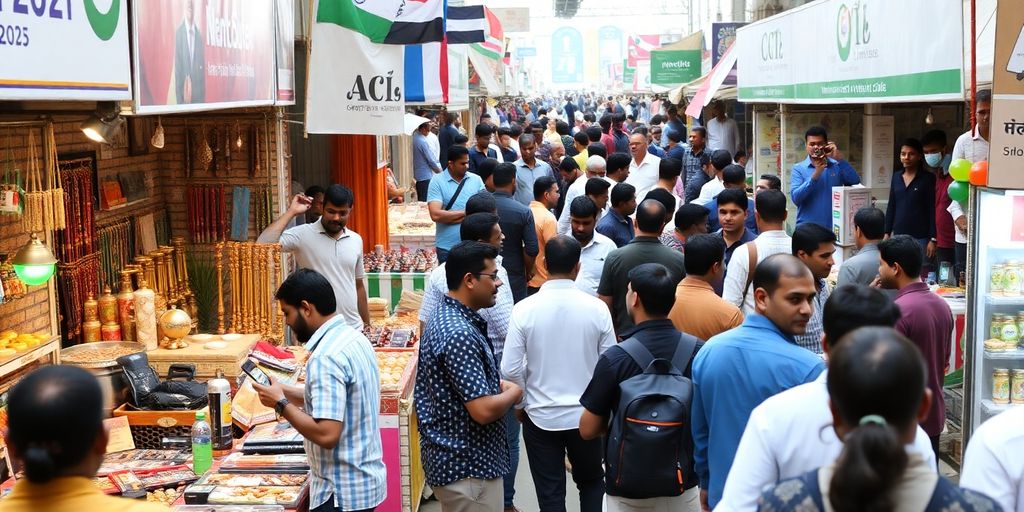
As we look ahead to 2025, India’s business landscape is evolving rapidly. With advancements in technology, a focus on sustainability, and shifts in consumer behavior, there are plenty of opportunities for entrepreneurs and businesses. This article explores the recent business trends in India, highlighting innovations and areas ripe for growth.
Key Takeaways
- Technological advancements like AI and blockchain are reshaping industries in India.
- Sustainability is becoming a priority, with businesses focusing on eco-friendly practices.
- The FinTech sector is booming, providing new banking solutions for small businesses.
- Emerging sectors like EdTech and HealthTech show great potential for growth.
- Government support for startups and MSMEs is crucial for fostering innovation.
Technological Innovations Shaping Business Landscapes
Artificial Intelligence and Automation
AI and automation are no longer futuristic concepts; they’re actively reshaping Indian businesses. Companies are using AI to streamline operations, improve decision-making, and personalize customer experiences. Think about it: from chatbots handling customer service to AI-powered analytics predicting market trends, the possibilities are pretty broad. Automation is also making a big impact, especially in manufacturing and logistics, where robots and automated systems are increasing efficiency and reducing costs. It’s not just about replacing jobs, but about augmenting human capabilities and creating new opportunities.
Blockchain and Supply Chain Management
Blockchain tech is making waves beyond just cryptocurrency. It’s finding practical applications in supply chain management, offering increased transparency and traceability. Imagine being able to track a product from its origin to the consumer, knowing exactly where it’s been and who handled it. This is what blockchain enables. It reduces fraud, improves efficiency, and builds trust among stakeholders. For example, blockchain in financial transactions can help verify the authenticity of goods and prevent counterfeiting, which is a major issue in some industries. It’s a game-changer for businesses looking to optimize their supply chains and ensure product integrity.
Internet of Things in Business Operations
The Internet of Things (IoT) is connecting devices and systems, generating data that can be used to improve business operations. From smart sensors monitoring equipment performance to connected devices tracking inventory levels, IoT is providing businesses with real-time insights that can be used to make better decisions. For example, in the retail sector, IoT sensors can track customer movement in stores, allowing retailers to optimize store layouts and product placement. In manufacturing, IoT devices can monitor machine health, predicting maintenance needs and preventing downtime. It’s all about using data to improve efficiency, reduce costs, and enhance the customer experience. The fast-growing opportunities and trends are in predictive maintenance, remote monitoring, and smart logistics.
IoT is not just about connecting devices; it’s about creating a network of intelligence that can be used to transform business operations. By leveraging the data generated by IoT devices, businesses can gain a competitive edge and create new value for their customers.
Sustainability and Green Business Practices
It’s pretty clear that sustainability is no longer just a buzzword; it’s becoming a core business imperative. Consumers are more aware, and they’re voting with their wallets. According to a NielsenIQ report, a significant majority of Indian consumers actively prefer companies that show a commitment to environmental responsibility. This is pushing businesses to rethink their strategies and operations.
Renewable Energy Ventures
Renewable energy is gaining serious traction. Solar, wind, and even smaller-scale hydro projects are popping up all over. It’s not just about big corporations, either. Small businesses and even individual entrepreneurs are finding ways to get involved, whether it’s installing solar panels on their buildings or developing innovative energy storage solutions. The government’s also chipping in with incentives, making it more attractive than ever. It’s a win-win: good for the planet and good for the bottom line.
Sustainable Agriculture Innovations
Agriculture is a huge part of the Indian economy, and there’s a growing movement towards more sustainable practices. Farmers are starting to adopt techniques like:
- Organic farming methods
- Water conservation strategies (drip irrigation, rainwater harvesting)
- Using bio-fertilizers and pesticides
These changes aren’t just about being eco-friendly; they’re also about improving crop yields and reducing costs in the long run. Plus, consumers are increasingly willing to pay a premium for sustainably grown produce.
Eco-Friendly Product Development
Companies are starting to realize that consumers want products that are not only effective but also environmentally sound. This is leading to a surge in eco-friendly product development. Think biodegradable packaging, products made from recycled materials, and even entire business models built around reducing waste. For example, there’s a growing market for green business concepts, and businesses are exploring fast-growing opportunities to meet consumer demand.
Here’s a quick look at some of the materials being used:
| Material | Application |
|---|---|
| Bamboo | Packaging, textiles, construction |
| Recycled Plastics | Packaging, furniture, construction materials |
| Agricultural Waste | Packaging, biofuels |
It’s not always easy or cheap to switch to sustainable materials, but the long-term benefits – both for the planet and for a company’s reputation – are becoming increasingly clear.
The Rise of FinTech and Digital Banking
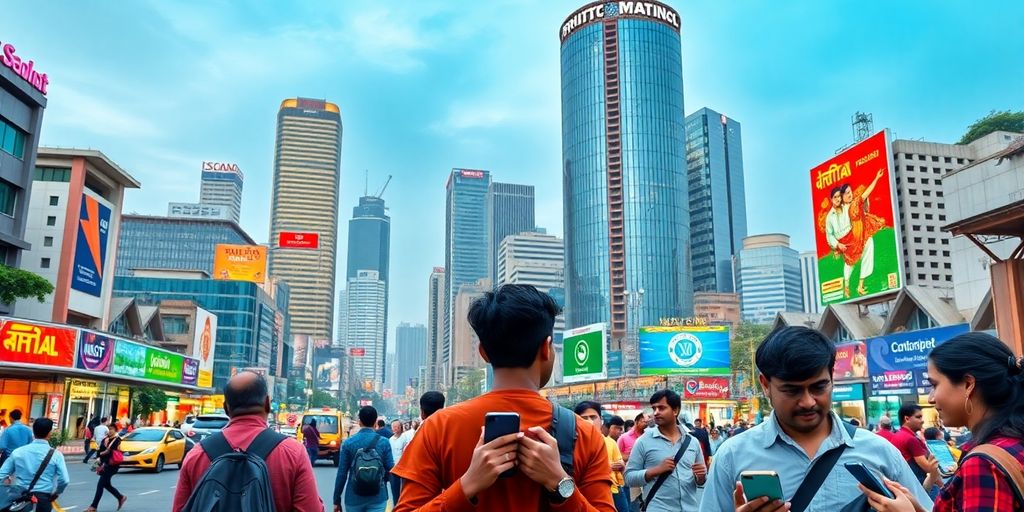
FinTech is really changing things up in India, and digital banking is right there with it. It’s not just about doing the same old banking stuff online; it’s about new ways of handling money and making things easier for everyone. Think about how you pay for stuff, how businesses manage their money, and even how banks work behind the scenes. It’s all changing, and it’s happening fast.
Neobanking for MSMEs
Neobanks are making a big splash, especially for MSMEs. These digital-first banks are giving small businesses access to tools they never had before. We’re talking about things like easy access to working capital, simple ways to manage money, and even automating financial tasks. Traditional banks often leave gaps, and neobanks are stepping in to fill them. It’s about giving small businesses the financial power they need to grow.
Blockchain in Financial Transactions
Blockchain is more than just crypto; it’s finding real uses in finance. One of the biggest is making international transactions faster and cheaper. Imagine sending money across borders without all the usual fees and delays. That’s what blockchain promises. It’s also making things more transparent, so you know exactly where your money is and what’s happening with it. For businesses looking to expand globally, this could be a game-changer.
Digital Payment Solutions
Digital payments are everywhere, and they’re only getting more popular. It’s not just about using your phone to pay at the store; it’s about creating personalized experiences. Think about loyalty programs that automatically give you rewards or payment options that adapt to your spending habits. It’s all about making payments easier and more convenient. Plus, with things like AI-driven financial advisory, you can get personalized advice on how to manage your money better.
The rise of digital payment solutions is not just about convenience; it’s about creating a more inclusive financial system. By making it easier for people to access and use financial services, we can help more people participate in the economy and build a better future.
Emerging Sectors with High Growth Potential
India’s business landscape is seeing some exciting changes, and a few sectors are really standing out for their growth potential. It’s not just about the usual suspects anymore; some niche areas are poised to boom. Let’s take a look at where the action is.
EdTech and Learning Technologies
EdTech is more than just online classes now. It’s about personalized learning experiences, skill development, and making education accessible to everyone. The focus is shifting towards vocational training and upskilling the workforce, especially in fields like logistics and e-commerce. Think interactive platforms, AI-powered tutoring, and virtual reality for immersive learning. The demand for EdTech solutions is rising, and businesses that can adapt to changing skill requirements will thrive.
HealthTech Innovations
HealthTech is another area with huge potential. It’s not just about telemedicine; it’s about using technology to improve healthcare delivery, diagnostics, and patient care. We’re talking about AI-powered diagnostics, wearable health monitors, and personalized medicine. The rise in interest in "mental health apps" signals a demand for wellness technology, which could lead to new opportunities for startups. Investors are increasingly focusing on ESG-compliant start-ups and sectors like climate tech and health tech.
AgriTech Solutions for Farmers
AgriTech is transforming agriculture by making it more efficient, sustainable, and profitable for farmers. This includes precision farming techniques, drone-based crop monitoring, and AI-powered pest control. It’s about connecting farmers to markets, providing them with access to information, and helping them improve their yields.
AgriTech is not just about technology; it’s about empowering farmers and improving their livelihoods. It’s about creating a more sustainable and resilient food system for the future.
Here’s a quick look at some key areas within AgriTech:
- Precision Farming: Using sensors and data analytics to optimize irrigation and fertilization.
- Supply Chain Management: Improving the efficiency of agricultural supply chains.
- Market Access: Connecting farmers directly to consumers and businesses.
These emerging sectors offer exciting opportunities for entrepreneurs and investors alike. By focusing on innovation, sustainability, and social impact, businesses can drive growth and create value for all stakeholders. The best businesses for the next 5 years include AI and automation, transforming industries like healthcare and finance. E-commerce, especially niche markets and subscription services, will thrive. Renewable energy, health & wellness, FinTech, and EdTech will see continued growth, aligning with future trends and consumer demands.
Consumer Behavior Shifts and Market Adaptations
Personalized Customer Experiences
Consumers in India are increasingly expecting businesses to understand their individual needs and preferences. This demand for personalization is reshaping marketing strategies and product development. Companies are now using data analytics to tailor their offerings, communications, and overall customer journey. Think about it: targeted ads, customized product recommendations, and even personalized customer service interactions are becoming the norm. It’s not enough to just sell a product; you have to make the customer feel understood and valued.
- Data-driven personalization is key.
- Customers expect tailored experiences.
- Personalization builds loyalty.
Businesses that fail to adapt to this trend risk losing customers to competitors who are more attuned to individual needs.
E-commerce Growth Trends
The e-commerce sector in India continues its upward trajectory, fueled by increased internet penetration and smartphone adoption. More and more people are shopping online, and this trend is only expected to accelerate. It’s not just about buying clothes or electronics anymore; people are now purchasing groceries, medicines, and even financial services online. The convenience and accessibility of e-commerce are driving this growth, and businesses need to have a strong online presence to capitalize on this trend. Keep an eye on e-commerce platforms to stay competitive.
- Mobile commerce is booming.
- Tier 2 and Tier 3 cities are key growth markets.
- Consumers expect seamless online experiences.
Health and Wellness Market Expansion
There’s a growing awareness of health and wellness among Indian consumers, leading to increased demand for related products and services. People are more conscious of their diet, fitness, and mental well-being. This trend is creating opportunities for businesses in areas such as organic food, fitness equipment, wellness apps, and alternative therapies. Companies that can cater to this growing demand for health and wellness are likely to see significant growth in the coming years.
- Preventative healthcare is gaining traction.
- Consumers are seeking natural and organic products.
- Mental wellness is becoming a priority.
| Category | Growth Rate (Projected) |
|---|---|
| Organic Foods | 15% |
| Fitness Equipment | 12% |
| Wellness Apps | 20% |
Government Initiatives and Support for Entrepreneurs
It’s pretty clear that the government is trying to give entrepreneurs a boost. There are a bunch of programs and policies aimed at making it easier to start and run a business. Let’s take a look at some of them.
Budget Reforms for MSMEs
Budget changes are a big deal for small and medium-sized businesses. The government has been tweaking things to help these businesses grow. These reforms often include tax breaks, simplified regulations, and easier access to credit.
- Lower corporate tax rates for smaller companies.
- Increased investment in infrastructure projects that benefit MSMEs.
- Simplified GST compliance procedures.
Incentives for Startups
Startups are getting a lot of attention, and for good reason. The government is offering various incentives to encourage innovation and growth. These can range from financial assistance to mentorship programs. You can find more information about Central Government Schemes online.
- Tax holidays for newly established startups.
- Seed funding and venture capital assistance.
- Incubation and acceleration programs.
The government is really pushing for startups to succeed. They know that these companies are key to creating jobs and driving economic growth. It’s not just about the money, but also about creating a supportive ecosystem where startups can thrive.
Policies Promoting Innovation
It’s not just about money; it’s also about creating an environment where new ideas can flourish. The government is working on policies that encourage innovation across different sectors. This includes things like promoting research and development and protecting intellectual property.
- Relaxed regulations for experimental projects.
- Grants for research and development activities.
- Stronger intellectual property protection laws.
Here’s a quick look at some of the key areas of focus:
| Policy Area | Description |
Challenges and Opportunities in the Business Environment
Inflation and Operational Costs
Okay, so inflation is still a thing, right? And it’s not just groceries; it’s hitting businesses hard. Operational costs are up across the board, from raw materials to logistics. This means companies are having to get creative to stay afloat. Think about it:
- Negotiating better deals with suppliers.
- Investing in automation to cut labor costs.
- Finding ways to reduce waste and improve efficiency.
It’s a tough situation, but businesses that can adapt and find ways to streamline their operations will be the ones that come out on top. It’s all about doing more with less, which, let’s be honest, is a skill every entrepreneur needs anyway.
Navigating Regulatory Changes
India’s regulatory landscape? Constantly changing. It’s like trying to hit a moving target. New rules and policies are always popping up, especially in sectors like FinTech and healthcare. For example, budget reforms for MSMEs are constantly being updated. Staying informed and compliant is a major challenge, but it’s also an opportunity. Businesses that can successfully navigate these changes gain a competitive edge.
It’s not enough to just follow the rules; you have to anticipate them. That means staying up-to-date on the latest developments, engaging with industry groups, and building relationships with regulators. It’s a proactive approach that can pay off big time.
Adapting to Market Demands
Consumer behavior is evolving faster than ever. People want personalized experiences, sustainable products, and seamless digital interactions. Businesses need to keep up or risk getting left behind.
Here’s what I’m seeing:
- A growing demand for eco-friendly products.
- An increasing reliance on e-commerce.
- A desire for personalized customer service.
To succeed, companies need to be agile and responsive. They need to listen to their customers, experiment with new approaches, and be willing to pivot when necessary. The market is dynamic, and businesses need to be just as dynamic to thrive. It’s a constant process of learning, adapting, and innovating. It’s not easy, but it’s what separates the winners from the losers.
Looking Ahead: The Future of Business in India
As we wrap up our exploration of business trends in India for 2025, it’s clear that the landscape is changing fast. With tech advancements and a focus on sustainability, there are plenty of chances for entrepreneurs to step up. Whether it’s diving into AI, renewable energy, or health tech, the opportunities are there for those willing to take risks. Sure, challenges like rising costs and competition exist, but adapting to these changes can lead to success. The future is bright for those ready to innovate and grow. So, keep your eyes open and be ready to seize the moment!
Frequently Asked Questions
What are some key technological trends in Indian businesses for 2025?
In 2025, businesses in India will focus on using Artificial Intelligence (AI) to automate tasks, blockchain for secure transactions, and the Internet of Things (IoT) for better operations.
How are businesses in India becoming more sustainable?
Many companies are shifting towards green practices by investing in renewable energy, creating eco-friendly products, and adopting sustainable agriculture methods.
What is driving the growth of FinTech in India?
The rise of FinTech is fueled by the need for easier banking options, digital payment solutions, and new banking services tailored for small businesses.
Which sectors are expected to grow the most in India by 2025?
Sectors like EdTech (education technology), HealthTech (health technology), and AgriTech (agricultural technology) are predicted to see significant growth.
How is consumer behavior changing in India?
Consumers are looking for personalized experiences, leading to a boom in e-commerce and a greater focus on health and wellness products.
What challenges do businesses face in India today?
Businesses are dealing with rising costs, changes in regulations, and the need to adapt to new market demands.
