




As we look ahead to 2025, the startup landscape is buzzing with opportunities. With changing consumer preferences and technological advancements, now is a great time to consider launching a new venture. Whether you’re passionate about sustainability, tech, or wellness, there’s a niche waiting for you. Here’s a rundown of ten promising startup ideas that could thrive in the coming years.
Key Takeaways
- Sustainable products are in high demand as consumers prioritize eco-friendly choices.
- AI solutions are becoming essential for businesses looking to optimize operations.
- Remote work tools are crucial as more companies embrace flexible work environments.
- Health and wellness apps are popular as people focus on personal well-being.
- E-commerce continues to grow, creating opportunities for new online marketplaces.
1. Sustainable Product Lines
Okay, so everyone’s talking about being "green" these days, but it’s more than just a trend, right? People actually care about where their stuff comes from and what it’s made of. That’s why sustainable product lines are a seriously good bet for 2025. Think about it: less waste, better materials, and a feel-good factor that makes customers happy to open their wallets.
I was reading something the other day that said the market for eco-friendly stuff is going to explode in the next couple of years. Like, a huge jump. So, if you’re thinking about starting a business, this is a smart place to look. You could do anything from organic hair products to reusable containers. The key is to really commit to being sustainable, not just pretending.
Here’s a few ideas to get you started:
- Eco-friendly cleaning supplies (everyone needs ’em!)
- Upcycled clothing (vintage is cool, but re-made vintage is even cooler)
- Plant-based food alternatives (burgers made of mushrooms, anyone?)
It’s not just about making a quick buck. People want to support businesses that are doing good for the planet. If you can build a brand that’s authentic and truly committed to sustainability, you’ll be way ahead of the game.
And don’t forget the packaging! No one wants to buy a "green" product that comes wrapped in layers of plastic. Think about biodegradable materials or even better, minimal packaging. It all adds up to a better experience for the customer and a better outcome for the environment. It’s a win-win, really.
2. AI-Powered Solutions
AI isn’t just for the big guys anymore. It’s seeping into everything, and that includes small businesses. Think about it: AI tools can now do customer service, make operations smoother, and even guess what the market will do next. It’s kinda wild.
Starting a business that makes custom AI chatbots for local shops or building AI tools for specific areas like healthcare or education could be huge. The cool thing is, it’s easier to get started than ever before. If you can help businesses save time, cut costs, or do new things with AI, you’re on to something.
Like, imagine a small bakery using AI to predict how many croissants they need each day, or a local mechanic using AI to diagnose car problems faster. It’s all about making things easier and more efficient. You could even create an AI business idea yourself.
The possibilities are endless. The key is to find a problem that AI can solve and then build a solution that’s easy for businesses to use. Don’t overcomplicate it. Keep it simple, keep it useful, and you’ll be golden.
Here are some areas where AI is already making a splash:
- Customer Service: AI chatbots are handling basic questions and freeing up human agents for more complex issues.
- Marketing: AI is helping businesses personalize their marketing messages and target the right customers.
- Operations: AI is automating tasks like scheduling, inventory management, and data analysis.
3. Remote Work Tools
Remote work is definitely here to stay, even if some companies are trying to drag people back to the office. That means the demand for good remote work tools is only going to keep growing. If you can make working from home easier, more productive, or less isolating, you’re onto something.
The key is to focus on solving real problems that remote workers face every day. Think about things like communication, collaboration, and staying organized when you’re not physically in the same space as your team.
Here are some ideas to get you started:
- Enhanced Communication Platforms: Go beyond basic video conferencing. Think interactive whiteboards, integrated project management, and real-time document collaboration.
- AI-Powered Productivity Assistants: Tools that can schedule meetings across time zones, summarize long email threads, or even help with focused work sessions. Productivity apps are a must.
- Virtual Team Building Activities: Let’s face it, Zoom happy hours are getting old. Create engaging virtual experiences that actually help teams bond and build relationships.
It’s not just about replicating the office experience online; it’s about creating something better. Remote work offers flexibility and autonomy, but it also comes with challenges. The right tools can help people thrive in this new environment.
I think there’s a lot of opportunity in this space. People are willing to pay for tools that make their work lives easier, especially when it comes to remote work. It’s all about finding those pain points and offering a solution that’s both effective and user-friendly. Don’t forget about the importance of desk accessories too!
4. Eco-Friendly Packaging
Okay, so everyone’s talking about being "green" these days, but it’s not just a trend; people actually care. And they’re willing to put their money where their mouth is. That’s why eco-friendly packaging is a big deal for startups in 2025. It’s not just about slapping a "recyclable" label on something; it’s about rethinking the whole packaging process.
Consumers are way more aware of the impact of packaging waste, and they’re actively seeking out brands that are doing their part to reduce it.
Think about it: how many times have you ordered something online, and it comes in a box that’s way too big, filled with plastic air pillows? It’s ridiculous, right? People are starting to get annoyed by that kind of waste, and they’re looking for alternatives.
That’s where your startup comes in. You can be the brand that offers sustainable packaging options, like compostable mailers, biodegradable packing peanuts, or even reusable containers. It’s a chance to stand out from the crowd and show that you’re serious about sustainability. Plus, it can actually save you money in the long run by reducing waste and shipping costs. It’s a win-win!
I was reading this article the other day about how some companies are even using mushroom packaging – like, they grow the packaging around the product! It sounds crazy, but it’s actually a really cool idea. It’s totally biodegradable and compostable, and it’s a great way to reduce plastic waste. It just goes to show that there are tons of innovative solutions out there if you’re willing to think outside the box.
Here are some ideas to get you started:
- Use recycled materials: Obvious, but important. Biodegradable materials are a great start.
- Minimize packaging: Do you really need that extra layer of plastic? Probably not.
- Offer reusable options: Encourage customers to return packaging for a discount or credit.
Basically, eco-friendly packaging is not just a nice-to-have; it’s becoming a must-have for startups that want to succeed in 2025. So, get on board and start thinking about how you can make your packaging more sustainable. Your customers (and the planet) will thank you for it.
5. Health and Wellness Apps
Okay, so everyone’s still super into health, right? It’s not just a fad; people are actually trying to take care of themselves. That means health and wellness apps are still a big deal. Think about it: personalized fitness plans, meditation guides, diet trackers… the possibilities are pretty broad. The key is to find a niche or offer something unique that stands out from the million other apps already out there.
The health and wellness industry is booming, and apps are a great way to get in on it.
Here’s the thing, though. It’s not enough to just build an app. You need to think about how you’re going to keep people using it. Engagement is everything. Push notifications? Gamification? Social features? You gotta figure out what works.
I was reading this article the other day about app retention rates, and it’s kind of scary. Apparently, a ton of people download an app, use it once, and then never open it again. So, if you’re going to launch a health app, make sure you have a solid plan for keeping users hooked. Otherwise, you’re just wasting your time and money.
Here are some ideas for features that could make your app stand out:
- Personalized workout routines based on user data.
- Integration with wearable devices for seamless tracking.
- A supportive community where users can connect and share their progress.
Speaking of data, you need to be super careful about privacy. People are sensitive about their health information, and rightfully so. Make sure you have a clear privacy policy and that you’re following all the regulations. Nobody wants to end up in a data breach headline. Also, consider how your app integrates with other clinical technology and platforms.
Here’s a quick look at some potential revenue streams:
| Revenue Model | Description
6. Subscription Box Services
Subscription boxes are still going strong, and honestly, I don’t see them slowing down anytime soon. It’s just too convenient to get curated stuff delivered right to your door. Plus, there’s that fun surprise element! The key is to find a niche that isn’t oversaturated and offer something truly unique.
Think about it: people are busy. They want cool stuff, but they don’t always have the time or energy to search for it. That’s where a well-thought-out subscription box comes in. You’re not just selling products; you’re selling convenience, discovery, and a little bit of joy.
Here are a few things to consider if you’re thinking about starting a subscription box service:
- Niche Down: Don’t try to be everything to everyone. Focus on a specific interest or hobby. Think "gourmet hot sauces," "sustainable pet toys," or "rare tea blends."
- Curate Carefully: The products you include need to be high-quality and relevant to your target audience. Don’t just throw in random stuff to fill the box.
- Build a Community: Engage with your subscribers on social media, ask for feedback, and create a sense of belonging. A strong community will keep people subscribed for longer.
I think the biggest mistake people make with subscription boxes is not understanding their audience. You can’t just throw a bunch of products together and expect people to be happy. You need to really know what your subscribers want and deliver on that promise every single month.
To get started, you might want to check out some existing subscription boxes to get a feel for what’s out there. See what works, what doesn’t, and how you can do it better. It’s all about finding that sweet spot between a unique idea and a real need in the market.
7. Digital Education Platforms
Online learning is just getting bigger, and honestly, it’s not hard to see why. People want to learn at their own pace, from anywhere. That’s where digital education platforms come in. They’re not just about replacing classrooms; they’re about offering new ways to learn and grow. Think interactive courses, personalized learning paths, and access to experts from all over the world. It’s a pretty exciting space to be in right now.
Starting a digital education platform means tapping into a global market of learners eager for knowledge and skills.
Here are a few things to keep in mind if you’re thinking about launching one:
- Niche Down: Don’t try to be everything to everyone. Focus on a specific subject area or skill set. Maybe it’s coding for beginners, or advanced marketing strategies, or even something totally unique like sustainable living skills. Find your niche and own it.
- Content is King (and Queen): High-quality, engaging content is non-negotiable. Invest in creating courses that are informative, interactive, and fun. Use videos, quizzes, and other multimedia elements to keep learners engaged. Consider using AI assistants to help create content faster.
- Community Matters: Learning shouldn’t be a solitary activity. Build a community around your platform where learners can connect with each other, ask questions, and share their experiences. Forums, live Q&A sessions, and group projects can all help foster a sense of community.
The key to success in the digital education space is to provide value. Offer courses that are relevant, practical, and affordable. Focus on helping learners achieve their goals, whether it’s landing a new job, starting a business, or simply expanding their knowledge. If you can do that, you’ll be well on your way to building a thriving digital education platform.
8. Personalized Nutrition Services
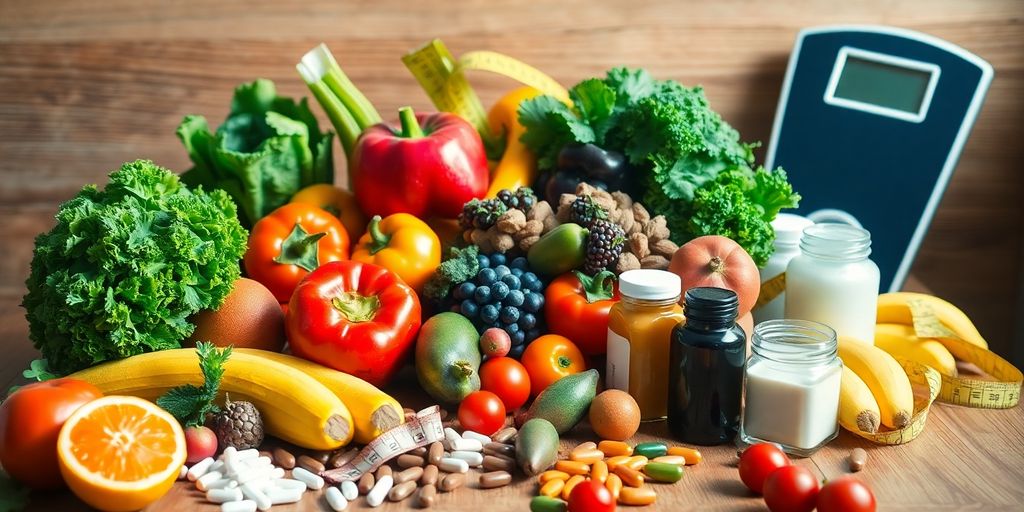
Okay, so everyone’s talking about personalized everything, right? Well, nutrition is no different. People are finally realizing that what works for their friend might not work for them. That’s where personalized nutrition services come in. It’s all about tailoring diet plans and advice to an individual’s specific needs, goals, and even their DNA.
This isn’t just another fad diet; it’s about creating sustainable, healthy habits.
Think about it: someone with a family history of heart disease will need a very different plan than a marathon runner. And that’s the beauty of this business model. It’s not a one-size-fits-all approach. It’s about digging deep, understanding the client, and crafting a plan that actually works for them.
Here’s a quick look at the potential market:
| Demographic | Percentage Interested |
|---|---|
| Health-Conscious | 85% |
| Athletes | 70% |
| Individuals with Diet Restrictions | 60% |
Starting a personalized nutrition service isn’t just about handing out meal plans. It’s about education, support, and building a long-term relationship with your clients. It’s about empowering them to make informed choices and take control of their health.
Here are some things to consider:
- Offer DNA-based nutrition plans: People are curious about what their genes say about their health.
- Provide one-on-one coaching: Some people need that extra support and accountability.
- Create specialized programs: Think weight management, sports nutrition, or even plans for specific health conditions.
With the rise of health and wellness trends, personalized nutrition is set to be a major player in 2025. It’s a chance to make a real difference in people’s lives, one customized meal plan at a time.
9. E-commerce Marketplaces
E-commerce marketplaces are still hot, and they’re evolving fast. It’s not just about selling stuff online anymore; it’s about creating experiences and communities. Think niche markets, personalized shopping, and sustainable practices. The big players are already established, but there’s always room for innovation, especially if you can tap into an underserved market or offer something unique.
Finding Your Niche
The key to success in the e-commerce marketplace space is identifying a specific niche. Don’t try to compete with Amazon on everything. Instead, focus on a particular product category, customer segment, or value proposition. For example, you could create a marketplace for:
- Vintage clothing
- Handmade goods from local artisans
- Eco-friendly and sustainable products
By narrowing your focus, you can attract a loyal customer base and differentiate yourself from the competition. Think about what you’re passionate about and what problems you can solve for a specific group of people. That’s where the opportunity lies.
Personalization is Key
Generic shopping experiences are out. Customers want to feel like they’re being understood and catered to. That means offering personalized product recommendations, customized search results, and tailored marketing messages. Use data and AI to understand your customers’ preferences and behaviors, and then use that information to create a more relevant and engaging shopping experience. ecommerce trends like augmented reality can also help.
Sustainability Matters
More and more consumers are concerned about the environmental and social impact of their purchases. If you can build a marketplace that prioritizes sustainability, you’ll be well-positioned to attract these customers. This could involve:
- Sourcing products from ethical and sustainable suppliers
- Using eco-friendly packaging
- Offsetting your carbon emissions
Building a successful e-commerce marketplace takes time, effort, and a deep understanding of your target market. But if you can find a niche, offer a personalized experience, and prioritize sustainability, you’ll be well-positioned to thrive in this dynamic and growing industry.
10. Virtual Event Planning Services

Okay, so physical events might be making a comeback, but virtual events? They’re not going anywhere. Think about it: global reach, lower costs, and way more flexibility. People are still loving the convenience of attending events from their couch. That’s where you come in.
Virtual event planning is booming, and it’s not just about slapping a Zoom link on an invite. It’s about creating engaging experiences that keep attendees hooked. Think interactive sessions, virtual networking lounges, and even gamified elements to boost participation. It’s a whole new ballgame compared to traditional event planning.
Here’s the thing: you don’t need a ton of capital to get started. A solid understanding of event tech, some creative flair, and killer organizational skills are your best assets. Plus, you can niche down to specialize in specific types of virtual events, like corporate conferences, online workshops, or even virtual weddings. The possibilities are pretty much endless.
I remember when my cousin tried to plan her own virtual wedding last year. Total chaos! She was juggling tech issues, coordinating vendors remotely, and trying to keep everyone engaged. It was a mess. That’s when I realized how much value a good virtual event planner brings to the table. It’s not just about the tech; it’s about creating a memorable experience.
To really stand out, consider these points:
- Master the tech: Become a pro at using different virtual event platforms. Knowing the ins and outs of each one will make you a rockstar.
- Focus on engagement: Find creative ways to keep attendees involved. Polls, Q&A sessions, virtual breakout rooms – the more interactive, the better.
- Build a network: Connect with vendors who specialize in virtual event services, like graphic designers, video producers, and tech support teams. This will help you manage event budgets effectively.
Virtual event planning is a great opportunity for anyone with a knack for organization and a passion for creating awesome experiences. It’s flexible, scalable, and in high demand. What’s not to love?
Final Thoughts on Starting Your Business in 2025
So, there you have it. The top ten startup ideas for 2025. It’s a wild time to jump into the business world, but if you pick the right niche and stay flexible, you can really make a mark. Remember, it’s all about finding what works for you and your audience. Trends come and go, but a solid plan and a bit of grit can take you far. Whether you’re passionate about tech, sustainability, or something else entirely, there’s a spot for you. So, get out there, take that leap, and who knows? This could be the year you turn your dreams into reality.
Frequently Asked Questions
What are some good business ideas for 2025?
Some great business ideas for 2025 include sustainable product lines, AI-powered solutions, and remote work tools.
Why is sustainability important for businesses?
Sustainability is important because consumers are increasingly looking for eco-friendly products and companies that care about the environment.
How can I start a business with limited funds?
You can start a business with limited funds by focusing on low-cost ideas like online services or home-based businesses.
What role does technology play in new startups?
Technology helps startups by providing tools and platforms that make it easier to reach customers and run operations efficiently.
What are subscription box services?
Subscription box services are businesses that deliver a box of products to customers regularly, often tailored to their interests.
How can I ensure my business is successful?
To ensure your business is successful, you should identify a clear market need, create a solid business plan, and adapt to customer feedback.
