



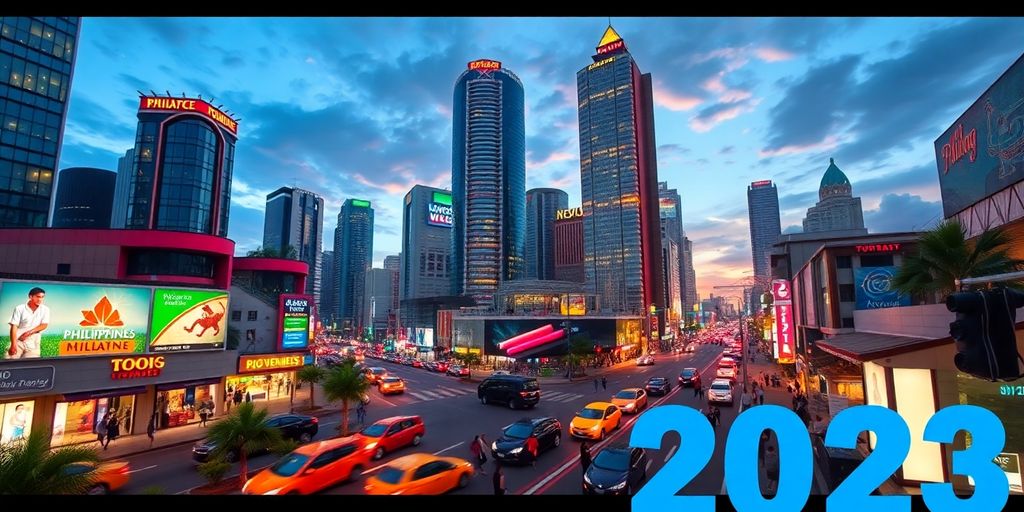
As we step into 2023, the business landscape in the Philippines is buzzing with new trends that are shaping how companies operate and grow. From the rapid shift towards digital solutions to the increasing demand for sustainable practices, businesses are adapting to meet the needs of a changing market. This article explores the key business trends for 2023 in the Philippines, offering insights for entrepreneurs and leaders looking to navigate these changes and seize growth opportunities.
Key Takeaways
- Digital transformation is crucial for businesses to stay competitive.
- Sustainability is becoming a priority for both companies and consumers.
- Social commerce is on the rise, reshaping retail strategies.
- Remote and hybrid work models are changing employee expectations.
- Health and wellness sectors are expanding as consumer interest grows.
Digital Transformation Driving Business Growth
Digital transformation is no longer a futuristic concept; it’s the current engine propelling business growth in the Philippines. Companies are increasingly recognizing that adopting digital technologies isn’t just about staying competitive—it’s about survival and thriving in a rapidly evolving market. The shift towards digital solutions is reshaping industries, creating new opportunities, and redefining how businesses operate.
Adoption of Cloud Technologies
Cloud technologies are at the forefront of this transformation. Businesses are moving away from traditional on-premise infrastructure to cloud-based solutions for increased flexibility, scalability, and cost efficiency. This shift allows them to access advanced computing power, data storage, and software applications without significant upfront investments. The adoption of cloud technologies is also enabling better collaboration, improved data management, and enhanced cybersecurity measures. It’s not just about saving money; it’s about building a more agile and resilient business model. The DICT spearheading efforts in innovation is a key factor.
Rise of E-Commerce Platforms
The e-commerce sector in the Philippines has experienced explosive growth in recent years, and this trend is expected to continue. More and more Filipinos are turning to online platforms for their shopping needs, driven by convenience, wider product selection, and competitive pricing. Businesses are responding by establishing or expanding their online presence through e-commerce platforms, social media channels, and mobile apps. This shift requires companies to invest in digital marketing, online customer service, and efficient logistics to meet the demands of online shoppers. Here are some key factors driving e-commerce growth:
- Increased internet penetration
- Growing smartphone adoption
- Rising disposable incomes
Integration of AI in Operations
Artificial intelligence (AI) is rapidly transforming business operations across various industries. From automating repetitive tasks to providing data-driven insights, AI is helping companies improve efficiency, reduce costs, and enhance customer experiences. Businesses are using AI-powered tools for tasks such as customer service, marketing, sales, and supply chain management. The integration of AI is also enabling companies to personalize their products and services, predict customer behavior, and make better decisions. The use of AI systems is projected to increase significantly in the coming years.
Embracing digital transformation requires a strategic approach, a willingness to adapt, and a commitment to continuous learning. Businesses that invest in digital technologies and develop a digital-first mindset will be well-positioned to succeed in the years ahead.
Sustainable Practices Gaining Momentum
It’s not just a trend anymore; sustainability is becoming a core business value. More and more companies in the Philippines are realizing that going green isn’t just good for the planet, it’s also good for their bottom line. Consumers are paying attention, and they’re increasingly choosing businesses that prioritize environmental and social responsibility. It’s a win-win, really.
Green Business Initiatives
We’re seeing a rise in all sorts of green initiatives. Some businesses are focusing on reducing their carbon footprint through energy efficiency and waste reduction. Others are exploring renewable energy sources like solar power. And then there are those who are completely rethinking their supply chains to source materials more sustainably. It’s a diverse landscape, but the common thread is a commitment to doing business in a way that minimizes environmental impact. For example, some companies are now focusing on sustainable mining practices.
Consumer Demand for Eco-Friendly Products
Consumers are driving a lot of this change. People are more aware of the environmental impact of their purchases, and they’re actively seeking out eco-friendly alternatives. This demand is pushing businesses to innovate and offer products and services that align with these values. It’s not just about buying organic food anymore; it’s about everything from clothing to cleaning supplies to transportation.
Here’s a quick look at what consumers are prioritizing:
- Products with minimal packaging
- Items made from recycled materials
- Locally sourced goods
- Companies with transparent supply chains
Corporate Social Responsibility Trends
CSR is evolving beyond just charitable donations. Companies are now integrating social and environmental concerns into their core business strategies. This means setting measurable goals, tracking progress, and being transparent about their impact. It’s about creating a positive impact on society and the environment while also creating value for shareholders. It’s a long game, but it’s one that’s becoming increasingly important for businesses in the Philippines.
The shift towards sustainable practices isn’t just a feel-good movement; it’s a strategic imperative. Businesses that embrace sustainability are better positioned to attract customers, retain employees, and access capital. It’s about building a resilient and responsible business that can thrive in the long term.
Social Commerce Revolutionizing Retail
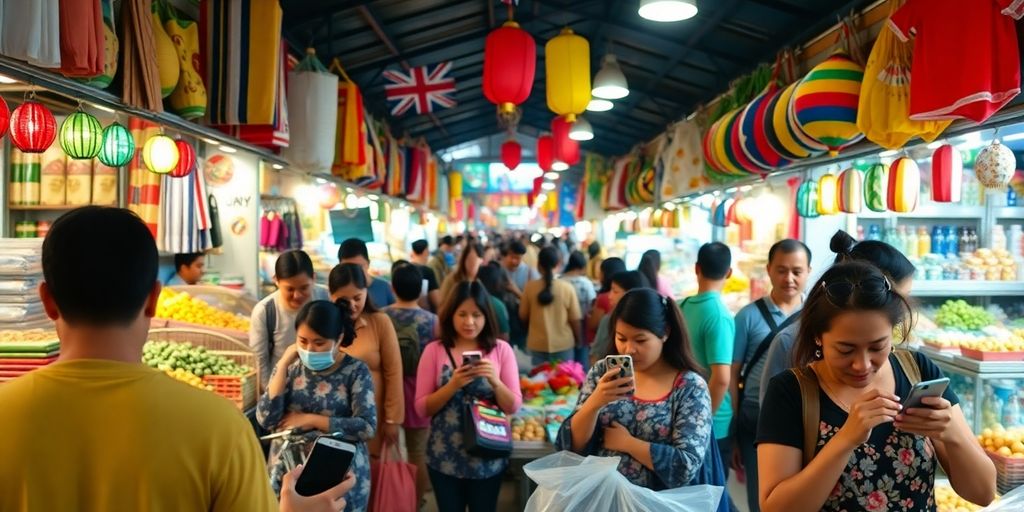
Social commerce is changing how Filipinos shop. It’s not just about selling on social media; it’s about creating a whole new shopping experience. People are spending more time on platforms like Facebook, Instagram, and TikTok, and businesses are meeting them where they are. This trend is especially strong in the Philippines, where social media use is high.
Growth of Influencer Marketing
Influencer marketing is a big deal. People trust recommendations from influencers they follow. Brands are partnering with influencers to promote products and reach new customers. It’s not just about celebrities; micro-influencers with smaller, more engaged audiences are also effective. They often have a closer relationship with their followers, making their recommendations feel more authentic. According to studies, a significant percentage of Filipino shoppers discover products through influencers.
Mobile Shopping Trends
Mobile shopping is booming. Most Filipinos access the internet through their smartphones, so it makes sense that they’re also shopping on their phones. This means businesses need to optimize their websites and social media pages for mobile devices. Easy navigation, fast loading times, and secure payment options are crucial for a good mobile shopping experience. The rise of fintech solutions has also made it easier for people to pay for things on their phones.
Social Media as a Sales Channel
Social media is becoming a primary sales channel. Businesses are using features like Facebook Shops and Instagram Shopping to sell products directly on these platforms. This makes it easy for customers to browse, select, and purchase items without leaving their favorite social media app. Short-form video content, like Reels, is also driving sales. People are watching videos of products and then buying them directly through the app. This trend is expected to continue to grow as more businesses integrate social media into their sales strategies.
Social commerce isn’t just a trend; it’s a fundamental shift in how people shop. Businesses that embrace this change and adapt to the needs of social media users will be the ones that succeed in the future. It’s about building relationships, creating engaging content, and making it easy for people to buy products where they already spend their time.
Remote Work and Hybrid Models Reshaping Employment

Remote work? Hybrid setups? It’s not just a trend anymore; it’s how many Filipinos are doing their jobs now. The shift has been pretty significant, and it’s changing how companies operate and how people think about work-life balance. It’s not all sunshine and rainbows, though. There are definitely some bumps in the road.
Flexibility in Work Arrangements
More and more companies are offering flexible work arrangements. This includes remote work, hybrid models (a mix of remote and in-office), and flexible hours. This is a big deal for employees who value work-life balance. A lot of people are prioritizing jobs that let them work from home at least part of the time. According to a recent survey, over half of Filipino workers are in hybrid roles. It’s a big change from even a few years ago.
Impact on Employee Productivity
Does working from home make people more or less productive? That’s the million-dollar question. Some studies show that employees are more productive when they have the flexibility to work from home. They have fewer distractions and can focus better. Others say that being in the office is better for collaboration and creativity. It probably depends on the person and the job.
Here’s a quick look at some potential impacts:
- Increased autonomy and control over work schedule.
- Reduced commute time and associated stress.
- Potential for improved work-life integration.
- Possible distractions at home.
- Challenges in maintaining team cohesion.
Challenges in Team Collaboration
One of the biggest challenges with remote and hybrid work is keeping teams connected and collaborating effectively. It’s not always easy to build relationships and communicate when you’re not in the same room. Companies are using different tools and strategies to try to overcome this, but it’s still a work in progress.
It’s important for companies to invest in technology and training to support remote and hybrid teams. This includes things like video conferencing software, project management tools, and communication platforms. It’s also important to create opportunities for team members to connect on a personal level, even when they’re not physically together.
Automation is also playing a big role. Harnessing automation can help streamline workflows and reduce the need for constant communication, freeing up employees to focus on more strategic tasks.
Health and Wellness Sector Expansion
Okay, so the health and wellness scene in the Philippines? It’s not just a trend; it’s like, actually booming. People are way more aware of taking care of themselves, and businesses are catching on quick. It’s not just about hospitals anymore; it’s about feeling good, staying healthy, and preventing problems before they even start. I think the pandemic really made people rethink their priorities, and now everyone’s trying to find ways to live a healthier life.
Increased Investment in Healthcare
More money is flowing into healthcare than ever before. This isn’t just government spending; private investors are also seeing the potential. You’re seeing new hospitals pop up, clinics expanding, and a ton of investment in medical technology. It’s all about improving access to care and making sure people can get the treatment they need, when they need it. The Philippines health and wellness tourism market is projected to grow significantly, reaching USD 16.30 billion by 2030, with a compound annual growth rate (CAGR) of 29.66% from 2025.
Growth of Wellness Products
Forget just medicine; people are buying all sorts of wellness products. Vitamins, supplements, organic food, fitness equipment – you name it. The demand for these things is through the roof. It’s like everyone’s trying to find that magic bullet to stay healthy.
- Vitamins and Supplements
- Organic and Health Foods
- Fitness Equipment and Apparel
Telehealth Services on the Rise
Telehealth is becoming a big deal. It’s convenient, it’s accessible, and it’s often cheaper than going to a doctor’s office. More and more people are using telehealth for everything from routine check-ups to mental health counseling. It’s especially useful for people in rural areas who don’t have easy access to healthcare facilities. I think telehealth is here to stay, and it’s only going to get more popular as technology improves.
Telehealth is changing the game, making healthcare more accessible and convenient for everyone. It’s not just a temporary fix; it’s a fundamental shift in how we approach healthcare delivery.
Technological Innovations in Financial Services
Okay, so the financial scene in the Philippines is getting a serious tech makeover. It’s not just about ATMs anymore; we’re talking full-on digital disruption. I remember when banking meant lining up for hours – now, it’s all about apps and online platforms. It’s wild how fast things are changing.
Rise of Fintech Solutions
Fintech is basically taking over. These companies are coming up with new ways to handle money, from lending to investing, and they’re doing it all online. It’s making financial services way more accessible, especially for people who live in rural areas or don’t have a traditional bank account. I saw this statistic the other day that said something like 70% of Filipinos are unbanked, but a huge chunk of them have smartphones. Fintech is trying to bridge that gap. digital transformation is key.
Digital Payment Trends
Cash is slowly becoming a thing of the past. Everyone’s using e-wallets and QR codes now. Even the small sari-sari stores are accepting GCash and PayMaya. It’s so much easier than fumbling around for change. Plus, it’s safer, especially with all the traffic and petty crime in the city. I think the pandemic really pushed this forward – people were scared to handle cash, so they switched to digital payments, and now they’re hooked.
Blockchain Applications in Business
Blockchain is still a bit of a mystery to most people, but it has the potential to change a lot of things in finance. It’s basically a super-secure way to record transactions, which could help prevent fraud and make things more transparent. I’ve been reading about how some companies are using it for supply chain management and cross-border payments. It’s still early days, but I think blockchain could be a big deal in the future. The Philippines was late to digital banking, but it’s catching up fast.
I think the biggest challenge is getting everyone on board. A lot of people are still hesitant to trust new technology, especially when it comes to their money. But as more people see the benefits of fintech and digital payments, I think we’ll see even more innovation in the financial sector.
Consumer Behavior Shifts Post-Pandemic
Increased Focus on Online Shopping
Okay, so things have changed, right? Remember when going to the mall was, like, the thing to do? Now, it feels like everyone’s doing their shopping online. It’s not just the younger crowd either; even my grandma’s ordering stuff from Shopee now. The convenience is just too good to pass up. Plus, you can find pretty much anything you want without even leaving your couch. I think online shopping is here to stay.
Changes in Spending Habits
People are definitely thinking more about where their money goes these days. It’s not just about buying the latest gadgets or clothes. There’s a bigger focus on experiences, like travel or trying new restaurants. But even with that, there’s this underlying sense of being careful. I’ve noticed people are more likely to look for deals or discounts before making a purchase. It’s like everyone’s become a savvy shopper overnight.
- Prioritizing needs over wants.
- Seeking value for money.
- Increased spending on health and wellness.
Demand for Personalized Experiences
Generic just doesn’t cut it anymore. People want stuff that feels like it was made just for them. Whether it’s personalized recommendations on Netflix or customized products, the demand for tailored experiences is huge. Businesses that can figure out how to offer that level of personalization are going to be the ones that really stand out. It’s all about making the customer feel special and understood.
I think a lot of people realized during the pandemic that life’s too short to settle for mediocre experiences. Now, they’re actively seeking out brands and services that cater to their individual needs and preferences. It’s not just about the product itself, but the whole experience surrounding it.
Looking Ahead: Opportunities for Growth
As we wrap up our look at the business trends in the Philippines for 2023, it’s clear that there’s a lot on the horizon. The economy is shifting, and businesses need to keep up. From social commerce booming to tech innovations changing the game, there are plenty of chances for growth. Companies that adapt to these changes will likely find success. It’s all about being flexible and ready to embrace new ideas. The future looks bright for those willing to take the leap and invest in these emerging trends.
Frequently Asked Questions
What are the main business trends in the Philippines for 2023?
In 2023, the Philippines is seeing trends like digital transformation, sustainable practices, social commerce, remote work, health and wellness growth, fintech innovations, and changes in consumer behavior.
How is digital transformation impacting businesses?
Digital transformation is helping businesses grow by using cloud technology, e-commerce platforms, and artificial intelligence to improve their operations.
What is social commerce and why is it important?
Social commerce is selling products directly through social media platforms. It’s important because it allows businesses to reach customers where they spend a lot of their time online.
What role does sustainability play in business today?
Sustainability is becoming crucial as consumers prefer eco-friendly products. Businesses are adopting green practices and focusing on corporate social responsibility to meet this demand.
How has remote work changed the workplace?
Remote work offers flexibility, allowing employees to work from home or anywhere. This change has affected productivity and team collaboration in many companies.
What trends are shaping consumer behavior after the pandemic?
Post-pandemic, consumers are shopping more online, changing their spending habits, and seeking personalized shopping experiences.
