




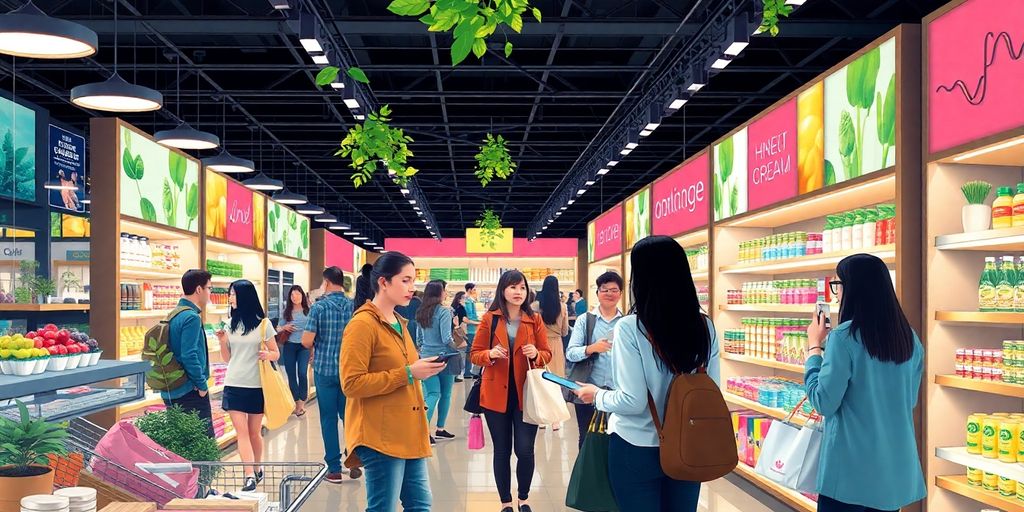
As we look ahead to 2025, the consumer and retail industry is set to undergo significant changes. With evolving technologies and shifting consumer expectations, businesses need to adapt quickly to stay relevant. From personalisation to sustainability, understanding these trends will be crucial for retailers aiming to thrive in this dynamic landscape.
Key Takeaways
- Personalisation will be essential for connecting with customers, as they now expect tailored experiences.
- Sustainability practices are becoming a priority for consumers, influencing their brand loyalty and purchasing decisions.
- Technology like AI and automation will reshape retail operations, improving efficiency and customer engagement.
- Omnichannel shopping will continue to evolve, with consumers demanding seamless transitions between online and physical stores.
- Employee experience will be key, as retailers invest in tools and training to create a positive work environment.
Personalisation as a Key to Customer Success
Personalization is no longer a ‘nice-to-have’; it’s a core expectation. Customers want to feel understood and valued, and businesses that fail to deliver tailored experiences will likely fall behind. It’s about making each customer interaction feel unique and relevant.
The Role of CRM in Personalisation
CRM systems are the backbone of any effective personalization strategy. They act as central hubs, gathering customer data from various touchpoints. This data provides a comprehensive view of each customer, enabling businesses to understand their preferences, behaviors, and needs. Using a CRM allows for more targeted and relevant interactions.
Think of it this way:
- A CRM helps you track customer interactions across all channels.
- It allows you to segment your audience based on specific criteria.
- It enables you to personalize your messaging and offers.
Tailored Experiences Across Touchpoints
Customers interact with businesses through a multitude of channels, from online stores and mobile apps to physical locations and social media. It’s important to provide a consistent and personalized experience across all of these touchpoints. For example, if a customer adds an item to their online shopping cart but doesn’t complete the purchase, you could send them a personalized email reminder with a special offer. Or, if a customer frequently purchases a particular product, you could proactively offer them related products or services. business intelligence is key to understanding these patterns.
Consumer Expectations for Personalised Interactions
Consumers now expect businesses to know them and anticipate their needs. Generic marketing messages and irrelevant offers are no longer acceptable. Customers want to feel like they are being treated as individuals, not just as numbers. This means using data to create personalized experiences that are relevant, timely, and valuable.
Personalization isn’t just about adding a customer’s name to an email. It’s about understanding their unique needs and preferences and using that knowledge to create experiences that are truly meaningful. It’s about building relationships and fostering loyalty.
Sustainability and Ethical Practices
Consumer Demand for Sustainable Products
Okay, so everyone’s talking about being green, right? But it’s not just talk anymore. People are actually putting their money where their mouth is. Consumers are demanding sustainable products like never before. They want to know where stuff comes from, how it’s made, and what impact it has on the planet. If you’re not thinking about this, you’re already behind. It’s not just a niche market anymore; it’s becoming the standard. Brands that ignore this trend will find themselves struggling to stay relevant.
- Eco-friendly packaging is a must.
- Transparency in the supply chain is expected.
- Products with a lower carbon footprint are preferred.
Consumers are more informed than ever. They’re doing their research and holding brands accountable. If you’re not transparent about your practices, they’ll find out. And they won’t be happy.
Impact of Eco-Friendly Practices on Brand Loyalty
Here’s the thing: being sustainable isn’t just about doing good; it’s good for business. When a company commits to eco-friendly practices, it builds serious brand loyalty. People want to support businesses that share their values. It’s a way of feeling like they’re making a difference with their purchases. And let’s be real, in a world where there are a million options for everything, that loyalty is gold. Think about it – are you more likely to stick with a brand that’s trying to save the planet, or one that doesn’t seem to care? Exactly. You can check YP reviews to see what customers are saying.
Regulatory Changes and Sustainability Initiatives
Get ready, because things are changing fast. Governments around the world are cracking down on unsustainable practices. New regulations are popping up all the time, and they’re only going to get stricter. Companies need to stay ahead of the curve and start implementing sustainability initiatives now, or they’re going to get left in the dust. It’s not just about avoiding fines; it’s about being prepared for the future. The retail industry has a massive impact on the carbon footprint, contributing to global emissions through supply chains, transportation, production, and energy consumption. Here’s a quick look at some potential changes:
| Regulation | Impact |
|---|---|
| Carbon Tax | Increased costs for companies with high carbon emissions |
| Extended Producer Responsibility | Companies responsible for the end-of-life management of their products |
| Stricter Packaging Laws | Requirements for recyclable or compostable packaging |
Technological Advancements in Retail
Retail is changing fast, and tech is a big reason why. It’s not just about online shopping anymore; it’s about how tech is changing stores, supply chains, and how retailers understand their customers. Expect even more changes by 2025.
AI and Automation in Retail Operations
AI is making a big impact on how retailers manage their operations. It’s helping with everything from predicting what customers will buy to managing inventory. In fact, many retail buyers said that AI-enabled tools improved demand forecasting and inventory management. This means stores can keep the right products in stock, reducing waste and improving efficiency. Some grocers are using task management platforms that resulted in over 80% of stores seeing increased task completion rates while averaging double-digit productivity gains.
- Improved demand forecasting
- Better inventory management
- Increased task completion rates
AI tools can guide employees on upcoming tasks or provide quick answers to operational questions, reducing the need for extensive training and allowing staff to operate more efficiently. As an added benefit, this can also free associates to engage directly with customers.
The Rise of Augmented Reality Shopping
Augmented reality (AR) is changing how people shop. Instead of just seeing a product online, AR lets customers virtually "try it out" before they buy. This could mean seeing how furniture looks in their home or trying on clothes virtually. It makes shopping more engaging and can help reduce returns. The cost of entry is not formidable for retailers and allows them a different option that may keep shoppers from clicking to another website. Expect cashier-less stores, inventory robots, self-driving delivery vehicles — even drones — to proliferate. Part of the uptick is simple logic; the more this technology is adopted, the faster the rollout. Plus, shoppers gravitate toward expedited experiences. And don’t underestimate the role this technology will play given the dearth of labor the retail industry is facing and higher costs: At least 23 states are slated to increase their minimum wage requirements for businesses in 2025.
Data Analytics for Enhanced Customer Insights
Data is king, and retailers know it. By analyzing customer data, retailers can learn a lot about what their customers want, how they shop, and what influences their decisions. This information can be used to personalize marketing, improve product recommendations, and create better shopping experiences. Retailers are embracing various tech initiatives and AI to help enhance the in-store shopping experience, focusing on data-driven store design and layout optimization. Some retailers also implement immersive shopping experiences and integrate digital technologies, like touchscreens, virtual reality stations, and augmented reality.
| Data Point | Insight Gained |
|---|---|
| Purchase History | Customer preferences and buying patterns |
| Website Activity | Products of interest, browsing behavior |
| Social Media Data | Brand sentiment, trending products |
| Location Data | Shopping habits based on geographic location |
The Evolution of Omnichannel Shopping
It’s not just about being everywhere; it’s about being cohesive everywhere. Consumers expect to move between online and offline channels without a hitch. If your website says one thing and your store says another, you’re going to lose customers. It’s that simple. Think of it as a conversation – it needs to flow naturally, no matter where it happens.
Seamless Online-to-Offline Experiences
This is where the rubber meets the road. Customers want to start their journey online and finish it in-store, or vice versa, without any friction. Think about ordering online and picking up in-store (BOPIS) – it’s huge. But it only works if the process is smooth. Nobody wants to wait an hour for their order or deal with confused employees. It’s about making the whole thing effortless. Retailers are focused on omnichannel capabilities to make this happen.
- Easy online ordering with clear pickup instructions.
- Real-time inventory updates so customers know what’s actually in stock.
- Dedicated pickup areas in-store for quick and easy retrieval.
Integration of Digital and Physical Retail
It’s not enough to just have an online store and a physical store. They need to talk to each other. Think about using in-store kiosks to browse online inventory or using your phone to scan a product in-store and see reviews. It’s about blending the best of both worlds. The goal is to create a unified experience where the customer doesn’t even think about the channel they’re using. It just works.
The lines between digital and physical are blurring. Retailers need to focus on creating a single, unified experience for the customer, regardless of how they choose to shop. This means investing in technology and training to ensure that all channels are working together seamlessly.
Consumer Preferences for Multichannel Engagement
Consumers aren’t just using one channel anymore. They’re bouncing between websites, apps, and physical stores, often all in the same shopping journey. Retailers need to understand these preferences and cater to them. This means offering a variety of options and making it easy for customers to switch between them. It’s about giving the customer control and letting them shop how they want to shop. Here’s a quick look at channel preferences:
| Channel | Preference Level | Example |
|---|---|---|
| Mobile App | High | Quick purchases, loyalty programs |
| Website | Medium | Product research, detailed information |
| Physical Store | High | Experiential shopping, immediate purchase |
| Social Media | Medium | Product discovery, brand engagement |
The Importance of Employee Experience
It’s easy to get caught up in customer experience, but let’s not forget about the people who make it all happen: the employees. A happy and well-supported workforce is directly linked to better customer service, increased productivity, and reduced turnover. Think about it – if your employees are stressed and undervalued, that’s going to show in their interactions with customers.
Empowering Employees with Technology
Giving employees the right tech isn’t just about efficiency; it’s about making their jobs easier and more fulfilling. Outdated systems and clunky interfaces can lead to frustration and wasted time. Instead, consider investing in user-friendly tools that streamline tasks and free up employees to focus on what they do best: helping customers. For example, providing training for retail staff on new software can significantly boost their confidence and competence.
Training and Development for Retail Staff
Continuous learning is key. The retail landscape is always changing, so employees need ongoing training to keep up with new products, technologies, and customer expectations. This isn’t just about teaching them how to use a new cash register; it’s about developing their skills in areas like communication, problem-solving, and product knowledge.
Here’s a simple breakdown of training areas:
- Product Knowledge
- Customer Service Skills
- Technology Proficiency
- Sales Techniques
Creating a Positive Work Environment
A positive work environment is more than just perks; it’s about creating a culture of respect, support, and recognition. Employees who feel valued are more likely to be engaged and motivated. This can involve things like:
- Offering competitive benefits packages.
- Providing opportunities for career advancement.
- Recognizing and rewarding good performance.
- Encouraging teamwork and collaboration.
Creating a supportive atmosphere where employees feel heard and appreciated can significantly impact morale and productivity. When employees feel like they are part of something bigger and that their contributions matter, they are more likely to go the extra mile for customers and the company.
Emerging Consumer Segments
Understanding Generation Z and Millennials
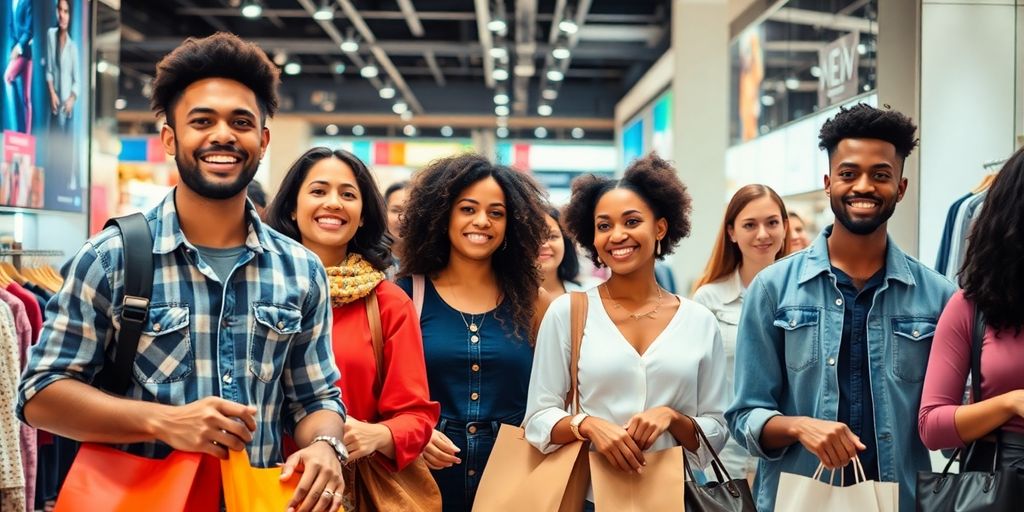
Okay, so Gen Z and Millennials? They’re not just kids anymore. They’re shaping, like, everything. Understanding their values and shopping habits is super important for any business trying to stay relevant. They grew up with the internet, so they expect a certain level of tech integration and personalization that older generations might not even think about. It’s not enough to just have a website; it needs to be mobile-friendly, easy to use, and actually offer something of value.
Targeting Diverse Demographics
It’s wild how much the consumer landscape has changed. It’s not just about age anymore; it’s about ethnicity, identity, background, everything. You can’t just assume everyone wants the same thing. Retailers need to get better at understanding different cultural nuances and preferences. This means more inclusive marketing campaigns, a wider range of products that cater to different needs, and, honestly, just being more aware of the world around them. It’s not just good for business; it’s the right thing to do. Here’s a quick look at how different demographics might respond to marketing:
| Demographic | Key Values | Marketing Approach |
|---|---|---|
| Gen Z | Authenticity, Social Responsibility | Focus on ethical practices, transparency |
| Millennials | Experiences, Personalization | Engage across platforms, offer tailored content |
| Gen X | Convenience, Efficiency | Straightforward interactions, hassle-free service |
| Baby Boomers | Clarity, Trust | Demonstrate reliability, prioritize customer care |
Adapting to Changing Consumer Behaviors
Consumer behavior is like the weather; it changes all the time. One minute everyone’s obsessed with something, and the next, it’s old news. Retailers need to be agile and ready to adapt. This means constantly monitoring trends, listening to customer feedback, and being willing to experiment with new ideas. It also means understanding that business intelligence innovations are key to staying ahead. It’s a lot of work, but it’s the only way to survive in today’s fast-paced market.
I think the biggest thing I’ve learned is that you can’t just sit back and expect customers to come to you. You have to go out there and meet them where they are, whether that’s online, in-store, or somewhere in between. And you have to be willing to change your approach as their needs and preferences evolve. It’s a constant learning process.
The Future of Physical Retail Spaces
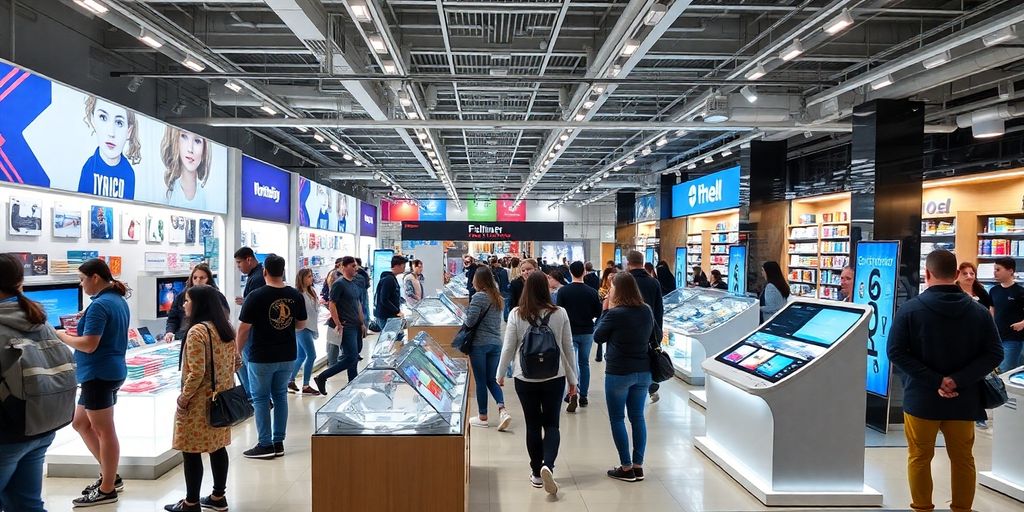
It’s interesting to think about what stores will look like in the next few years. Are they going away? Absolutely not! They’re just changing. People still like going to actual stores, but they want something different than just rows and rows of products. They want an experience. Physical stores are being reborn as places for immersive experiences, customer acquisition, and brand building.
Creating Immersive In-Store Experiences
Think about walking into a store that feels more like an event than a shopping trip. That’s the goal. Retailers are trying to make stores places where you can really interact with the brand. This could mean having interactive displays, workshops, or even just really cool store design that makes you want to hang out. It’s all about creating a memorable experience that you can’t get online.
The Role of Community in Retail
Stores are becoming community hubs. They’re not just places to buy things; they’re places to connect with other people who share your interests. Some stores host events, workshops, or even just have comfortable seating areas where people can relax and chat. This helps build loyalty and makes people want to come back. It’s about creating a sense of belonging.
Strategic Store Location and Design
Where a store is located and how it’s designed matters more than ever. Retailers are thinking carefully about where to put their stores and how to make them appealing to the local community. This might mean opening smaller stores in urban areas or creating larger, more experiential stores in suburban locations. The design is also important. Stores need to be visually appealing, easy to navigate, and reflect the brand’s identity.
The key is to offer something that online shopping can’t replicate: a sensory, social, and engaging experience. This could involve personalized services, interactive displays, or community-focused events. By focusing on these elements, physical stores can remain relevant and thrive in the changing retail landscape.
Here are some things retailers are focusing on:
- Offering personalized services, like styling sessions or product demonstrations.
- Creating interactive displays that let customers try out products in a fun and engaging way.
- Hosting community-focused events, like workshops or meetups.
- Designing stores that are visually appealing and easy to navigate.
Wrapping It Up
As we look ahead to 2025, it’s clear that the retail landscape is changing fast. Retailers need to keep up with new tech and changing customer needs. The trends we’ve talked about—like personalization, sustainability, and the importance of a strong online presence—are not just passing fads. They’re becoming the norm. Businesses that adapt and embrace these changes will likely find success. It’s all about staying flexible and being ready to meet customers where they are. The future is bright for those willing to innovate and connect with their audience.
Frequently Asked Questions
What is personalisation in retail?
Personalisation in retail means creating unique shopping experiences for each customer based on their preferences and behavior.
Why is sustainability important for consumers?
Consumers care about sustainability because they want to support brands that are good for the environment and society.
How is technology changing retail?
Technology is changing retail by introducing tools like AI and automation, which help stores operate more efficiently and improve customer service.
What does omnichannel shopping mean?
Omnichannel shopping means that customers can shop seamlessly across different platforms, like online and in physical stores.
Why is employee experience important in retail?
A good employee experience is important because happy employees are more productive and provide better service to customers.
What will physical retail stores look like in the future?
In the future, physical retail stores will focus on creating unique and engaging experiences that cannot be found online.
