




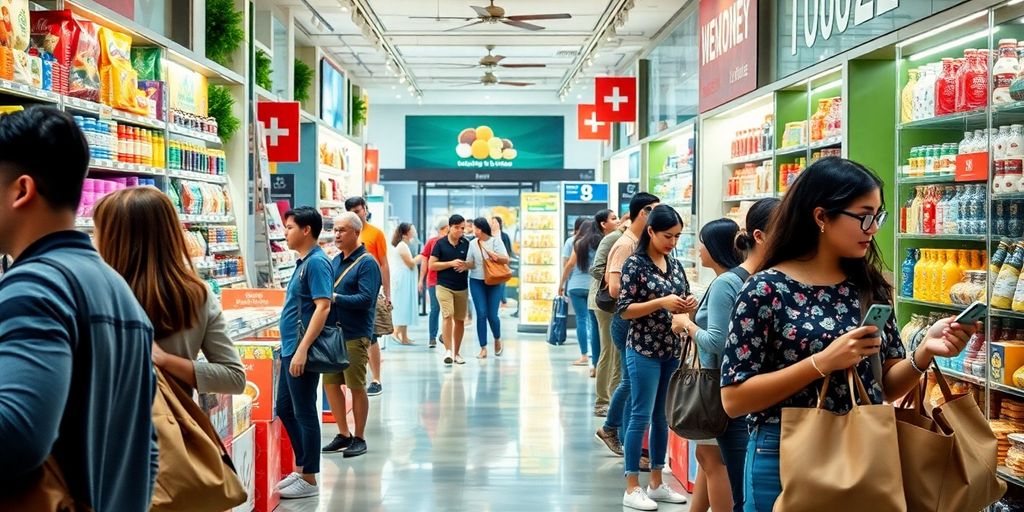
As we step into 2024, the retail landscape is undergoing significant changes. McKinsey’s latest analysis sheds light on the evolving trends that are shaping consumer behavior and business strategies. From technological advancements to shifts in consumer preferences, understanding these trends is crucial for retailers looking to thrive in the coming year.
Key Takeaways
- Consumers are increasingly prioritizing sustainability in their shopping choices.
- Technology, especially AI and AR, is transforming the retail experience.
- Omnichannel strategies are essential for connecting online and offline shopping experiences.
- Customer experience is a key driver of brand loyalty in today’s market.
- Retailers must adapt to economic pressures while investing in growth opportunities.
Shifting Consumer Preferences in 2024
Understanding the New Consumer Mindset
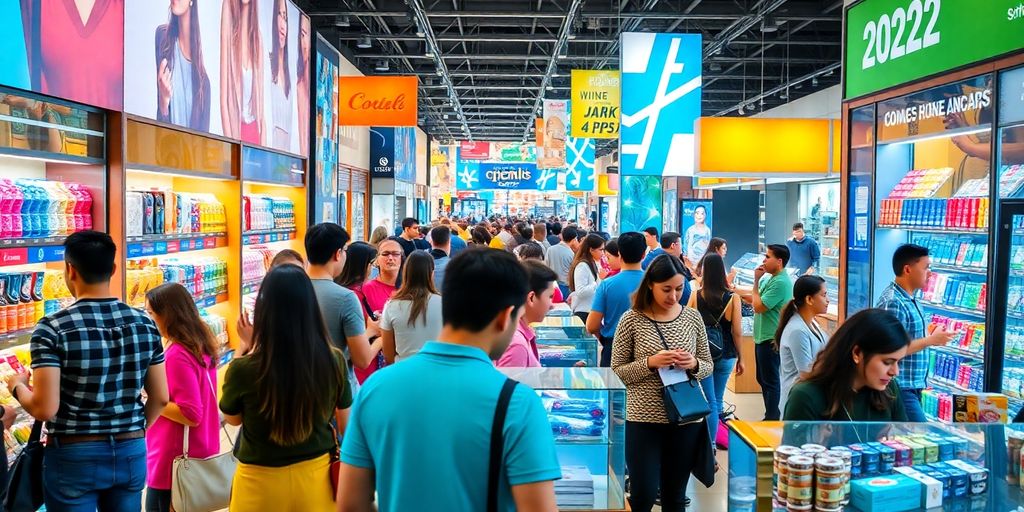
Consumers are changing, and fast. It’s not enough to rely on old assumptions. What worked last year might be totally ineffective now. People are re-evaluating their priorities, and retailers need to keep up. The old ways of segmenting customers just don’t cut it anymore. We need to understand the nuances of what drives purchasing decisions today.
Impact of Economic Factors on Spending
Economic pressures are definitely shaping how people spend their money. Inflation is still a concern, even if it’s not as bad as it was. People are more careful about where their money goes. They’re looking for deals, comparing prices, and sometimes opting for cheaper alternatives. But it’s not just about cutting back. Some consumers are still willing to splurge on things they really value. It’s a mixed bag, and retailers need to understand these different spending patterns. According to McKinsey’s ConsumerWise research, understanding these trends is key to business success.
The Rise of Sustainable Shopping
More and more people care about the environmental and social impact of their purchases. They want products that are ethically sourced, sustainably made, and have a minimal carbon footprint. This isn’t just a niche trend anymore; it’s becoming mainstream. Retailers that ignore this do so at their own peril. Consumers are willing to switch brands if they find a company with stronger sustainability credentials. It’s not just about feeling good; it’s about making a difference. Here are some key aspects of sustainable shopping:
- Demand for transparency in supply chains
- Preference for eco-friendly packaging
- Support for companies with strong social responsibility initiatives
Consumers are increasingly voting with their wallets, supporting businesses that align with their values. This shift towards conscious consumerism is not just a fleeting trend but a fundamental change in how people approach purchasing decisions.
Technological Innovations Shaping Retail
Retail is changing fast, and tech is a big reason why. It’s not just about having a website anymore; it’s about using new tools to make shopping better for everyone. Let’s look at some of the ways technology is changing retail.
AI and Machine Learning in Retail
AI and machine learning are becoming super important. They can help with everything from predicting what customers want to personalizing shopping experiences. Think about it: AI can analyze tons of data to figure out what products are trending, which helps stores keep the right stuff in stock. Plus, it can power chatbots that answer customer questions instantly. It’s like having a super-smart assistant working 24/7.
- Personalized recommendations based on browsing history
- Automated inventory management to reduce waste
- Fraud detection to protect customers and businesses
AI is not just a buzzword; it’s a tool that can help retailers understand their customers better and make smarter decisions. It’s about using data to create a more efficient and enjoyable shopping experience.
The Role of Augmented Reality
Augmented reality (AR) is another game-changer. It lets customers try on clothes or see how furniture looks in their homes before they buy anything. This can really boost confidence and reduce returns. I saw a cool AR application the other day that let me virtually paint my living room. It’s pretty wild how far things have come.
- Virtual try-on for clothing and accessories
- Placement of furniture in a home environment
- Interactive product demos
E-commerce Enhancements and Trends
E-commerce is always evolving. Things like faster shipping, easier returns, and more payment options are becoming standard. But there’s also a growing trend toward social commerce, where people can buy stuff directly through social media platforms. It’s all about making it as easy as possible for people to shop, wherever they are. Retailers are adapting to 2024 consumer trends with innovative retail technology.
- One-click checkout for faster purchases
- Integration with social media platforms for direct sales
- Improved mobile shopping experiences
Omnichannel Strategies for Success

It’s not enough to just be online anymore. Customers expect to interact with you on their terms, across all channels. That means a truly integrated approach is key. Think about it: someone might see an ad on Instagram, research a product on your website, and then buy it in-store. If those experiences don’t connect, you’re losing sales.
Integrating Online and Offline Experiences
This is where the rubber meets the road. It’s about making sure your online and offline worlds talk to each other. A good starting point is to unify your commerce platforms. This way, inventory, orders, and customer data are all in sync, no matter where the customer interacts with you.
Here are some ideas:
- Click-and-collect: Let people order online and pick up in-store. It’s convenient and drives foot traffic.
- In-store returns for online purchases: Makes returns easy, no matter where the item was bought.
- Real-time inventory visibility: Show customers if an item is in stock at their local store.
Personalization in Customer Journeys
Generic experiences are a thing of the past. Customers want to feel understood and valued. Personalization is about using data to tailor the shopping experience to each individual. This could mean personalized product recommendations, targeted promotions, or even just a friendly greeting when they walk into your store. Think about how B2B e-commerce can be improved with personalization.
Leveraging Data for Better Insights
All this omnichannel activity generates a ton of data. The trick is knowing what to do with it. You can use data to understand customer behavior, identify trends, and optimize your operations.
Data analysis can help you with things like predicting demand, improving your marketing campaigns, and even optimizing your store layout. It’s about turning information into action.
Here’s a simple example of how data can inform decisions:
| Data Point | Insight | Action |
|---|---|---|
| High cart abandonment | Customers find checkout process confusing | Simplify checkout, offer guest checkout option |
| Popular product searches | Customers want a product you don’t carry | Consider adding the product to your inventory |
| Low email open rates | Emails aren’t engaging | Revamp email design, personalize content, segment audience |
The Importance of Customer Experience
In today’s retail landscape, customer experience isn’t just a nice-to-have; it’s the battleground. Consumers have endless options, and a positive experience can be the deciding factor. It’s about making every interaction count, from browsing online to the in-store checkout. If you don’t, they will go somewhere else.
Creating Memorable Shopping Experiences
Think about the last time you had a truly great shopping experience. What made it stand out? Was it the friendly staff, the easy-to-navigate website, or the unique product selection? Memorable shopping experiences are about more than just transactions; they’re about creating an emotional connection with the customer. Here are some ways to do that:
- Personalized recommendations: Use data to suggest products that customers will actually want.
- Interactive displays: Make shopping fun with engaging in-store displays.
- Exceptional customer service: Train staff to go above and beyond to help customers.
Feedback Loops and Continuous Improvement
Customer feedback is gold. It tells you what you’re doing well and, more importantly, where you can improve. Don’t just collect feedback; act on it. Close the loop by letting customers know that their opinions matter and that you’ve made changes based on their suggestions. You can use AI for personalized marketing to improve customer engagement.
Here’s a simple way to think about it:
- Collect feedback through surveys, reviews, and social media.
- Analyze the feedback to identify trends and pain points.
- Implement changes to address the issues.
- Communicate the changes to customers.
- Repeat the process.
Building Brand Loyalty in 2024
Brand loyalty isn’t what it used to be. Consumers are more willing than ever to switch brands if they find a better deal or a better experience. To build loyalty in 2024, you need to give customers a reason to stick around. This means offering more than just good products; it means building a relationship based on trust, transparency, and mutual respect. Consider offering a yes, and approach to customer service.
In today’s market, brand loyalty is earned, not given. Customers want to feel valued and appreciated. They want to know that you care about their needs and that you’re willing to go the extra mile to make them happy. If you can do that, you’ll have a loyal customer for life.
Sustainability as a Core Business Strategy
It’s not just a trend anymore; sustainability is becoming a must-have for retail. Customers are paying attention, and frankly, they expect businesses to do their part. It’s about more than just slapping a "green" label on something; it’s about real, meaningful change throughout the entire operation. And honestly, it can be a competitive advantage.
Consumer Demand for Eco-Friendly Products
People want stuff that’s good for the planet. Plain and simple. They’re looking for products made with recycled materials, ethically sourced goods, and packaging that doesn’t end up in a landfill. The demand for eco-friendly options is only going to increase. Retailers who get ahead of the curve will be the ones who win in the long run. It’s not just about attracting customers; it’s about building trust and loyalty.
- Transparency is key. Customers want to know where their products come from and how they’re made.
- Highlighting eco-friendly features can be a major selling point.
- Don’t be afraid to showcase your sustainability efforts.
Sustainable Supply Chain Practices
It’s not enough to just have a few eco-friendly products on the shelves. Retailers need to look at their entire supply chain, from sourcing raw materials to shipping the final product. This means working with suppliers who share your commitment to sustainability and finding ways to reduce waste and emissions at every step. It can be a challenge, but it’s worth it.
Implementing sustainable supply chain practices isn’t just about being environmentally responsible; it’s also about improving efficiency and reducing costs. By streamlining processes and minimizing waste, retailers can create a more resilient and profitable business.
Measuring the Impact of Sustainability Initiatives
How do you know if your sustainability efforts are actually making a difference? You have to measure them. This means tracking key metrics like carbon emissions, water usage, and waste generation. It also means being transparent about your progress and setting realistic goals for improvement. The Climate Transition Impact Framework (C-TIF) can help with this.
Here’s a simple example of how you might track your progress:
| Metric | 2023 | 2024 | Goal for 2025 |
|---|---|---|---|
| Carbon Emissions (tons) | 10,000 | 9,500 | 9,000 |
| Water Usage (gallons) | 50,000 | 48,000 | 45,000 |
| Waste Diverted (tons) | 2,000 | 2,200 | 2,500 |
- Regularly assess your environmental footprint.
- Set clear, measurable sustainability goals.
- Communicate your progress to stakeholders.
Navigating Economic Challenges
Adapting to Inflationary Pressures
Okay, so inflation is still a thing, right? It’s not as crazy as it was, but prices are still higher than we’d like. For retailers, this means a couple of things. First, you’ve got to figure out how to keep prices reasonable without totally killing your profit margin. Second, you need to understand that people are making choices about what they really need versus what they want.
- Negotiate better deals with suppliers.
- Look at ways to streamline operations and cut costs.
- Consider offering smaller sizes or value packs.
Strategies for Cost Management
Cutting costs isn’t just about squeezing suppliers. It’s about looking at every single aspect of your business and seeing where you can be more efficient. Are there processes that can be automated? Can you reduce waste? Are you using energy efficiently? These are the questions you need to ask. It’s also about making smart choices about where to invest. Maybe now isn’t the time for that fancy new store design. Maybe it’s time to focus on supply chain practices instead.
Investment in Growth During Uncertainty
It might seem counterintuitive to invest when things are uncertain, but sometimes, that’s exactly what you need to do. The key is to invest smartly. Don’t throw money at things that aren’t working. Focus on areas that have the potential for high growth, like e-commerce or personalized customer experiences. And don’t be afraid to experiment with new ideas. The retail landscape is changing so fast that you can’t afford to stand still.
Investing in technology can be a game-changer. Think about AI-powered tools that can help you predict demand, optimize pricing, or personalize marketing. These kinds of investments can pay off big time in the long run.
Here’s a quick look at potential investment areas:
| Investment Area | Potential Benefit |
|---|---|
| E-commerce platform | Reach a wider audience, increase sales |
| Data analytics tools | Better understand customer behavior, optimize pricing |
| Automation software | Reduce labor costs, improve efficiency |
| Personalized marketing | Increase customer engagement, drive loyalty |
Future of Retail Workforce
Skills Needed for the Retail Jobs of Tomorrow
The retail landscape is changing fast, and so are the skills needed to succeed. It’s not just about knowing how to ring up a sale anymore. Think data analysis, customer service with a personal touch, and understanding the latest tech. Retail employees need to be adaptable and ready to learn new things.
- Data literacy
- Digital marketing
- Customer relationship management
Employee Engagement and Retention Strategies
Keeping good employees is a big deal. It costs a lot to train new people, and you lose valuable experience when someone leaves. Companies are trying different things to keep their staff happy, like offering better benefits, more flexible schedules, and chances to grow within the company. It’s about creating a place where people want to work. One thing that helps is to understand consumer behavior and how it impacts the workforce.
Happy employees often translate to happy customers. Investing in employee well-being and development is not just a nice thing to do; it’s a smart business move.
Diversity and Inclusion in Retail
A diverse workforce reflects the diverse customer base that retail serves. It’s not just about ticking boxes; it’s about creating a workplace where everyone feels welcome and valued. This means actively recruiting from different backgrounds, providing equal opportunities for advancement, and making sure everyone has a voice. A focus on diversity and inclusion can lead to better ideas, better customer service, and a stronger company culture. Here’s a quick look at some potential benefits:
| Benefit | Description |
|---|---|
| Increased Innovation | Different perspectives lead to more creative solutions. |
| Improved Customer Service | A diverse team can better understand and serve a diverse customer base. |
| Stronger Company Culture | Inclusion fosters a sense of belonging and improves employee satisfaction. |
Wrapping It Up
As we look ahead to 2024, it’s clear that retail is in for some big changes. The insights from McKinsey show us that staying flexible and open to new ideas is key. Retailers need to pay close attention to what consumers want and how they behave. Technology will play a huge role in helping businesses adapt and thrive. It’s not just about keeping up; it’s about getting ahead. So, whether you’re a small shop or a big brand, now’s the time to rethink your strategies. The future of retail is bright, but only for those willing to embrace change.
Frequently Asked Questions
What are the main changes in consumer habits for 2024?
In 2024, consumers are showing a strong preference for sustainable products, influenced by environmental concerns and economic factors.
How is technology influencing retail in 2024?
Technology, especially AI and augmented reality, is greatly enhancing the shopping experience by personalizing services and improving online shopping.
What does an omnichannel strategy involve?
An omnichannel strategy combines online and physical shopping experiences, making it easier for customers to switch between them seamlessly.
Why is customer experience important in retail?
A great customer experience leads to higher satisfaction, which helps build loyalty and encourages repeat business.
How are retailers addressing sustainability?
Retailers are focusing on eco-friendly products and practices, as consumers increasingly demand sustainable options.
What challenges are retailers facing due to the economy?
Retailers are adapting to inflation and other economic pressures by managing costs effectively while still investing in growth.
