




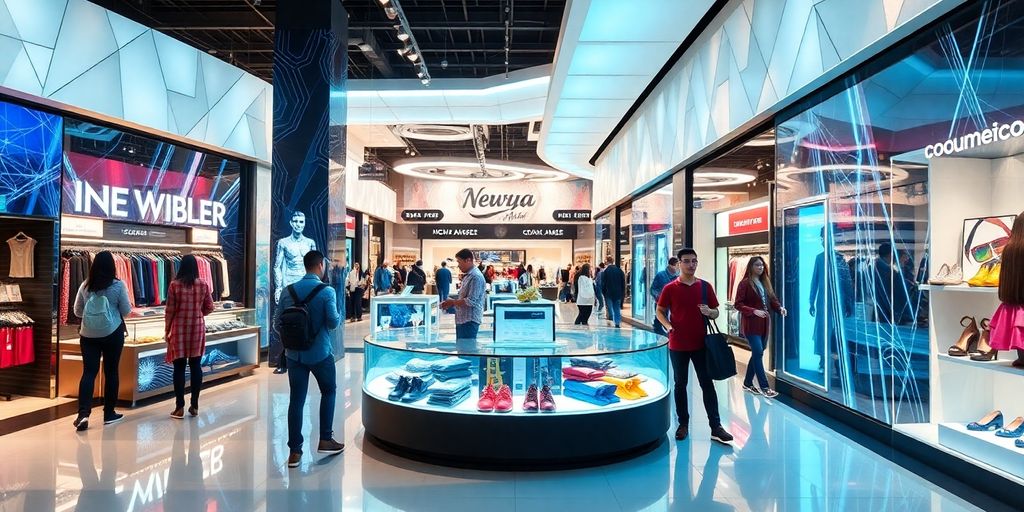
As we move closer to 2025, the retail landscape is rapidly changing. New technologies, evolving consumer behaviors, and a heightened focus on sustainability are reshaping how we shop. This article takes a look at the key retail trends for 2025 that are set to redefine the shopping experience, from the integration of digital and physical spaces to the rise of personalized shopping powered by AI. Let’s explore what’s on the horizon for the retail world.
Key Takeaways
- Omnichannel retail is now essential, blending online and offline shopping seamlessly.
- AI is driving personalized shopping experiences, making recommendations more relevant to individual consumers.
- Phygital experiences are on the rise, merging physical stores with digital interactions for better engagement.
- Sustainability is a major focus, with retailers adopting eco-friendly practices to meet consumer demand.
- Flexible retail spaces and pop-up shops are becoming popular, allowing brands to adapt quickly to trends.
The Evolution of Omnichannel Retail
Seamless Integration of Online and Offline
Okay, so omnichannel isn’t just a buzzword anymore; it’s how people expect to shop. Think about it: you see something cool on Instagram, check if the store nearby has it, and maybe even order it for pickup. That’s the kind of omnichannel retail experience everyone wants now. Retailers are working hard to connect everything – websites, apps, physical stores – so it feels like one smooth experience. It’s not always perfect, but that’s the goal.
Consumer Expectations for Convenience
People want stuff now, and they want it easy. Free shipping? Expected. Easy returns? Gotta have it. Being able to buy online and pick up in store? Huge. If a store makes it hard to shop, people will just go somewhere else. It’s all about making things as convenient as possible.
- Fast shipping options
- Simple return policies
- Multiple payment methods
Leveraging Data for Personalized Experiences
Stores are collecting tons of data about what people buy, what they look at online, and even where they go in the store. The idea is to use all that info to make shopping more personal. See, the goal is to show you stuff you actually want to buy, send you deals on things you like, and make you feel like the store gets you. It can be a little creepy, but when it works well, it’s pretty cool.
Using data to personalize shopping isn’t just about selling more stuff. It’s about building a relationship with the customer. If a store can show that it understands your needs and preferences, you’re way more likely to keep coming back. It’s about making people feel valued and understood.
AI-Driven Personalization Strategies
Hyper-Personalized Shopping Experiences
Okay, so, AI is making shopping way more personal. It’s not just about seeing ads for stuff you already bought. It’s about retailers using data to create a shopping experience that feels like it was made just for you. Think about it: AI-driven personalization can change everything.
- Personalized product recommendations: Based on your browsing history and past purchases.
- Customized marketing messages: Tailored offers and promotions that actually interest you.
- Dynamic pricing: Prices that adjust based on your perceived willingness to pay (this one’s a bit controversial, but it’s happening).
Utilizing Customer Data for Insights
Retailers are sitting on mountains of customer data, and AI is the key to unlocking its potential. It’s not just about knowing what you bought; it’s about understanding why you bought it. What problem were you trying to solve? What need were you trying to fulfill? AI can analyze this data to identify patterns and trends that would be impossible for humans to spot. This helps with demand forecasting and inventory management, too.
The amount of data being generated is insane. Retailers are using AI to make sense of it all, and the insights they’re gaining are transforming the way they do business. It’s not just about selling more stuff; it’s about building stronger relationships with customers.
Tailored Recommendations and Offers
The end goal of all this data analysis is to provide customers with tailored recommendations and offers. It’s about showing you the right product, at the right time, at the right price. This can take many forms:
- Personalized email campaigns
- Product suggestions on a retailer’s website
- Targeted ads on social media
And it’s not just online. Physical stores are getting in on the act, too. Sales associates are being equipped with tablets that give them access to customer data, allowing them to offer highly tailored suggestions in person. It’s like having a personal shopper, but powered by AI.
Here’s a quick look at how personalization can impact revenue:
| Personalization Level | Revenue Increase | Example |
|---|---|---|
| Basic | 10% | Generic product recommendations |
| Intermediate | 25% | Personalized email campaigns |
| Advanced | 40%+ | AI-powered, real-time recommendations |
The Rise of Phygital Shopping Experiences
Blending Physical and Digital Interactions
Okay, so "phygital" sounds like some made-up buzzword, but it’s actually a pretty big deal. It’s all about mixing the real world with the digital one to make shopping… well, better. Think about it: you’re in a store, but you can use your phone to scan a QR code for more product info, see reviews, or even virtually "try on" clothes. It’s about making things more interactive and convenient. The goal is to create a unified experience where the physical and digital aspects complement each other.
Enhancing Customer Engagement
Phygital experiences aren’t just about convenience; they’re about getting you involved. Retailers are trying all sorts of things to keep you interested. Here are a few examples:
- Interactive displays that respond to your movements.
- In-store apps that give you personalized deals based on where you are in the store.
- Events that combine online and offline elements, like a live-streamed fashion show with exclusive in-store discounts.
The idea is to make shopping less of a chore and more of an adventure. It’s about creating memories and building a connection with the brand.
Innovative Store Designs for Immersive Experiences
Stores aren’t just places to buy stuff anymore; they’re becoming destinations. Retailers are rethinking store layouts and designs to create immersive experiences. This could mean anything from themed environments to interactive installations. Think of it like this:
| Feature | Description
Sustainability as a Core Retail Trend
It’s not just a buzzword anymore; sustainability is really becoming a big deal in retail. People actually care about where their stuff comes from and how it’s made. It’s cool to see more stores stepping up.
Eco-Friendly Practices in Retail
More stores are trying to be green. This means using less energy, reducing waste, and choosing materials that don’t hurt the planet. I saw one store that uses only recycled materials for its displays, which is pretty neat. It’s not just about looking good; it’s about doing good, too. For example, some retailers are now offering discounts to customers who bring in their own reusable bags or containers. It’s a small thing, but it adds up.
Consumer Demand for Sustainable Products
People want to buy stuff that’s good for the environment. They’re looking for products made from recycled materials, or that are produced in a way that doesn’t harm the earth. It’s driving a lot of change in what stores sell. I think it’s great that consumers are using their wallets to push for better practices. It’s not just a trend; it’s a real shift in values. The demand for sustainable products is growing, and retailers need to keep up.
Implementing Green Initiatives
Stores are doing different things to be more sustainable. Some are using renewable energy, like solar panels. Others are reducing their packaging or offering recycling programs. It’s all about finding ways to lessen their impact. I think the key is to be transparent about what they’re doing. Customers appreciate knowing that a company is making a real effort. It’s not always easy or cheap, but it’s worth it in the long run.
It’s important for retailers to remember that sustainability isn’t just about ticking boxes. It’s about making a genuine commitment to reducing their environmental impact. This means looking at every aspect of their business, from sourcing materials to shipping products, and finding ways to do things better.
Here’s a quick look at some common initiatives:
- Using energy-efficient lighting
- Reducing packaging waste
- Sourcing sustainable materials
- Offering recycling programs
Technological Innovations in Retail
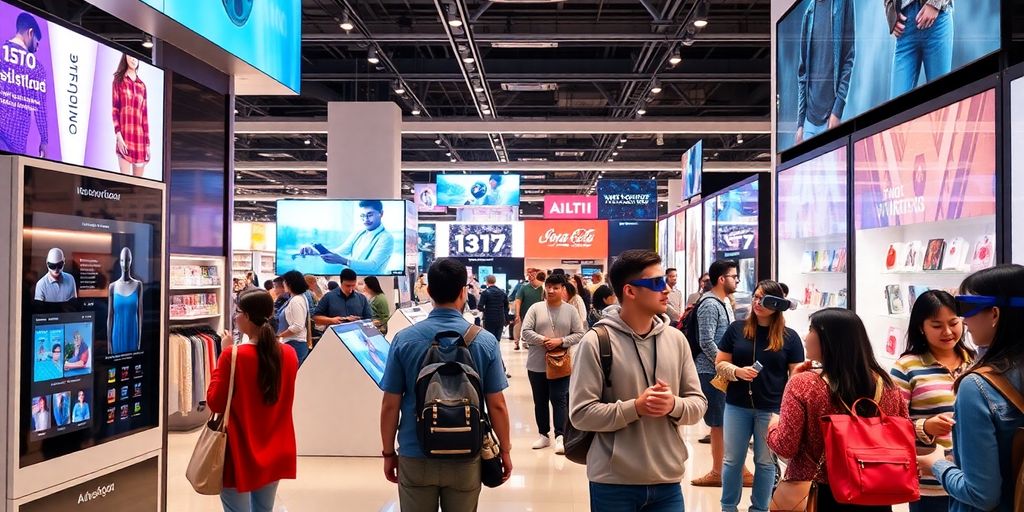
Retail is changing fast, and tech is a big reason why. It’s not just about online shopping anymore; it’s about how technology is changing the whole experience, from when you first hear about a product to when you actually use it. In 2025, some tech trends are really taking off.
The Impact of Augmented Reality
AR is becoming more common. Remember when AR was just a gimmick? Now, it’s actually useful. Ikea, for example, now has AR features directly in their main app, so you can see how furniture looks in your house before you buy it. It’s not a separate app anymore; it’s just part of the normal shopping experience. This shows that companies think AR is ready for the mainstream, and people find it helpful when they’re deciding what to buy.
Voice Commerce and Smart Assistants
Voice assistants are also becoming more important. People are using them to shop, check prices, and get recommendations. It’s all about making shopping easier and faster. I think it’s pretty cool that you can just tell your smart speaker to order something, and it shows up at your door a few days later. It’s like living in the future. This is especially useful for repeat purchases, like groceries or household items. Imagine just saying, "Alexa, order more laundry detergent," and it’s done. No need to even open your computer or phone.
Cashier-Less Shopping Solutions
Cashier-less stores are another big thing. Amazon tried it with their "just walk out" model, but it didn’t really work out. But the idea is still good: you walk into a store, grab what you need, and leave. The store automatically charges you. It’s all about speed and convenience. I’ve seen some smaller stores doing this, and it seems to be working pretty well. It’s definitely something to watch out for in the next few years. Retailers are integrating payment options directly into their in-store apps for a smoother experience.
It’s important to find a balance between new ideas and what actually works. Not every new technology is going to be a hit, but you also can’t just ignore technology altogether. The key is to find the right tools that make shopping better for customers without being too complicated or expensive.
Social Commerce and Community Engagement
Social media isn’t just for sharing vacation pics anymore; it’s a full-blown shopping mall. People are buying directly through platforms like Instagram, TikTok, and even Facebook. It’s all about making it super easy to go from seeing something cool to owning it in just a few clicks. And it’s not just about the convenience; it’s about being part of something bigger.
Leveraging Social Media for Sales
Social media platforms are becoming serious sales channels. Think about it: you’re scrolling through your feed, see a friend raving about a new gadget, and boom, there’s a "buy now" button right there. It’s instant gratification at its finest. Brands are catching on, too, creating shoppable posts and running targeted ads to reach potential customers where they already spend their time. Social commerce is projected to keep growing, so businesses need to get on board or get left behind.
Building Brand Communities Online
It’s not enough to just sell stuff; you’ve got to build a community. People want to connect with brands that share their values and interests. Think about brands that host online forums, run contests, or create exclusive content for their followers. It’s about turning customers into fans and fostering a sense of belonging. These communities create loyalty and drive repeat business.
Influencer Marketing Trends
Influencer marketing is still a big deal, but it’s evolving. It’s not just about partnering with mega-influencers with millions of followers anymore. Brands are increasingly working with micro-influencers who have smaller, more engaged audiences. These influencers often have a more authentic connection with their followers, making their recommendations more impactful. Plus, it’s often more affordable. Here’s a quick look at how influencer marketing budgets are shifting:
| Influencer Tier | Average Cost Per Post (2024) | Projected Cost Per Post (2025) |
|---|---|---|
| Mega-Influencer | $10,000+ | $9,000+ |
| Micro-Influencer | $500 – $5,000 | $750 – $6,000 |
| Nano-Influencer | $100 – $500 | $200 – $750 |
Social commerce is changing the game. It’s not just about transactions; it’s about building relationships, creating experiences, and fostering a sense of community. Brands that understand this will be the ones that thrive in the years to come.
Flexible Retail Spaces and Pop-Up Shops
Short-Term Retail Opportunities
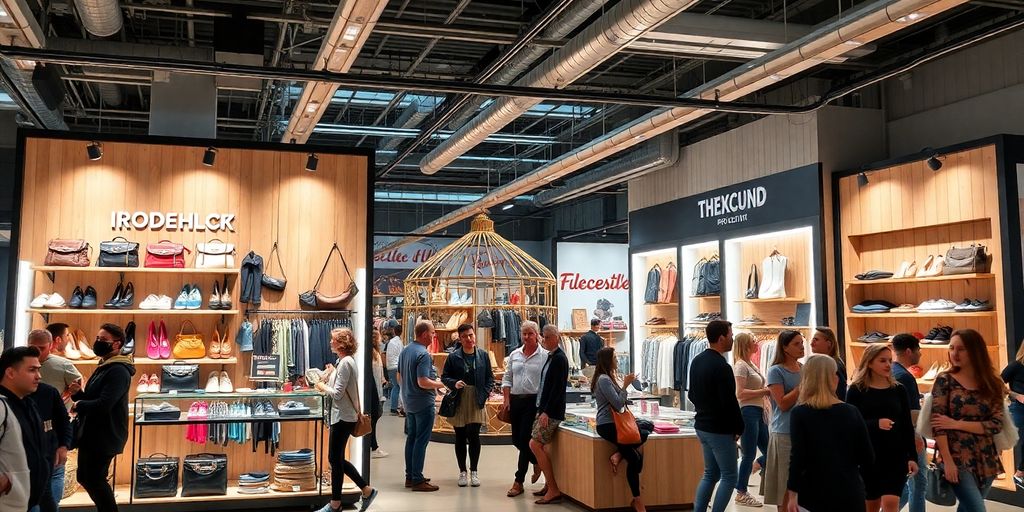
Short-term retail is still a big deal. It lets brands try out new things and talk directly to shoppers. In 2025, expect even more of this. Think seasonal campaigns, like holiday-themed pop-up stores, brand partnerships, and even mobile setups at events. It’s a low-risk way to stay fresh.
Adapting to Consumer Trends
Retailers are getting creative with how they use space. Hybrid spots are popping up everywhere. You might see stores with coffee shops, yoga studios, or even art shows inside. It’s all about giving people more than just shopping; it’s about giving them an experience. This helps keep things interesting and brings in different kinds of customers.
Creating Unique Shopping Experiences
To stand out, retailers need to make shopping fun and memorable. This means using tech like AR apps or smart mirrors. Pop-up shops are a great place to test these ideas. Location-based marketing is also becoming popular. Brands can send deals to people nearby, creating a sense of urgency. It’s all about making the most of the moment.
Don’t wait to try new things. The retail world is changing fast, and you don’t want to get left behind. Start small, experiment, and see what works for your brand. The future of retail is all about being flexible and creative.
Wrapping It Up
As we look ahead to 2025, it’s clear that retail is changing fast. The trends we’ve talked about show how stores are adapting to new tech and what shoppers want. From blending online and in-store experiences to using AI for personal touches, these changes are making shopping more engaging. Retailers are finding ways to stay relevant and exciting, even as they face challenges. It’s an interesting time to be a shopper, and it’ll be fun to see how these trends play out in the coming years.
Frequently Asked Questions
What is omnichannel retail?
Omnichannel retail means combining online and in-store shopping to create a smooth experience for customers. It allows shoppers to browse online and pick up items in a store, or shop in person and order online.
How does AI improve shopping experiences?
AI helps personalize shopping by using customer data to suggest products that fit individual preferences. This makes shopping easier and more enjoyable for everyone.
What are phygital shopping experiences?
Phygital shopping experiences mix physical and digital shopping. For example, customers can use their phones to learn more about a product in a store or try on clothes virtually.
Why is sustainability important in retail?
Sustainability is important because more customers want to buy eco-friendly products. Retailers are responding by using green practices and offering products that are better for the environment.
What role does social media play in shopping?
Social media is a powerful tool for shopping. It helps brands connect with customers, promote products, and build online communities, making it easier for people to discover and buy items.
What are pop-up shops?
Pop-up shops are temporary retail spaces that allow brands to sell their products for a short time. They are great for testing new ideas and creating unique shopping experiences.
