



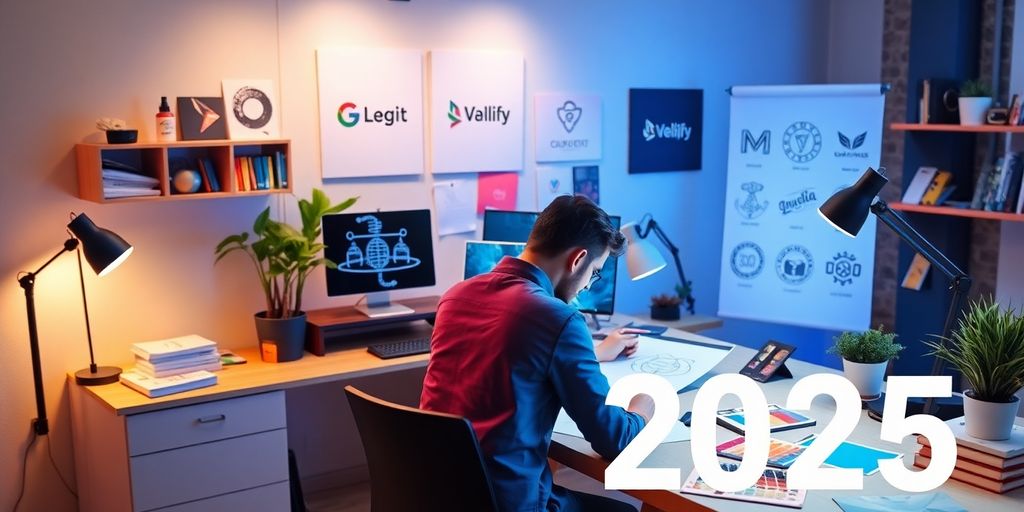
As we look ahead to 2025, small businesses need to stay on top of the latest logo design trends to keep their brands fresh and appealing. Logos are often the first impression a customer has of a business, so it’s essential to make them count. This year, we’re seeing some exciting shifts in design that reflect broader cultural changes and consumer preferences. Let’s explore the trends that small businesses should consider when crafting their visual identities.
Key Takeaways
- Minimalism is evolving to focus on meaningful design choices.
- Diversity in design is becoming essential, with inclusive colors and symbols.
- Mixing fonts and styles can create unique and memorable logos.
- 3D elements are gaining popularity for their engaging visuals.
- Sustainable practices are influencing logo design, making eco-friendly choices important.
Minimalism With Purpose
Minimalism is still a big deal in logo design for 2025, but it’s not just about making things simple. It’s about making them meaningful. Think clean lines, less clutter, and a real focus on what the brand is all about. I think we’ll see a lot of minimalist logos that are super effective because they get straight to the point.
Intentional Design Choices
It’s not enough to just remove elements. Every line, every shape, every bit of negative space needs to be there for a reason. Designers are thinking hard about what they include and what they leave out. It’s like they’re saying, "This is what matters, and nothing else." I think that’s pretty cool.
Simplicity Meets Meaning
Minimalism works best when it’s paired with a strong message. A simple logo can say a lot if it’s done right. It’s about finding that perfect balance between a clean look and a logo that actually tells you something about the brand. It’s not just about looking good; it’s about communicating effectively. I think that’s why it’s so popular.
Cultural Reflections in Logos
Logos are starting to reflect different cultures and backgrounds. It’s not just about using generic symbols anymore. Designers are using minimalist styles to show respect for different traditions and communities. It’s a way of making brands feel more inclusive and connected to the world. I think that’s a really important trend. It’s about making sure everyone feels seen and heard.
I think the best minimalist logos are the ones that make you think. They’re not just pretty pictures; they’re little puzzles that you can solve. And when you figure them out, you feel like you’re in on a secret. That’s what makes them so memorable.
Embracing Diversity in Design
It’s 2025, and the world is more connected than ever. That means brands need to show they get it. Embracing diversity in logo design isn’t just a trend; it’s a reflection of a company’s values and commitment to inclusivity. It’s about making sure everyone feels seen and heard.
Inclusive Color Palettes
Color is powerful. Think about how different cultures use color. An inclusive color palette goes beyond the usual and draws inspiration from a range of cultural heritages. It’s about being thoughtful and intentional with color choices to support social causes and avoid unintentional cultural insensitivity. It’s not just about pretty colors; it’s about respect.
Symbolism of Unity
Logos can be more than just a pretty picture. They can tell a story. Using symbols that represent unity and common ground is a great way to show that your brand values bringing people together. It’s about finding visual elements that resonate with a diverse audience and communicate a message of togetherness. It’s about creating a timeless brand identity that speaks to everyone.
Multilingual Typography
If your brand speaks to a global audience, your logo should too. Multilingual typography isn’t just about translating your name; it’s about incorporating different writing systems and fonts in a way that’s visually appealing and respectful. It shows you’ve put in the effort to connect with people on their terms. It’s about incorporating 3D elements and making sure your message is clear, no matter what language someone speaks.
Diversity in design isn’t just about checking boxes. It’s about genuinely reflecting the world we live in and creating a sense of belonging for everyone. It’s about understanding that different perspectives and experiences are valuable and should be celebrated.
Mix and Match Typography
Creative Font Combinations
Forget the old rules! This trend is all about throwing different fonts together. Think a bold, sans-serif paired with a delicate script. It’s like a visual party, and the goal is to make your logo pop. It’s a great way to show off your brand’s personality and artistic typography.
Breaking Conventional Rules
Conventional wisdom? Toss it out the window. The whole point of mix-and-match typography is to be unconventional. It’s about creating something that’s unexpected and memorable. It’s like the design world’s version of a rebel yell. This approach breaks traditional uniformity with fonts that reflect the brand’s personality while maintaining legibility across different sizes and platforms.
- Experiment with different font weights.
- Try contrasting serif and sans-serif fonts.
- Play with different sizes and spacing.
Visual Collage Aesthetics
Think of your logo as a collage. Different fonts, different sizes, different styles – all working together to create a unique visual. It’s about creating a sense of organized chaos, where each element complements the others. It’s like a ransom note, but way more stylish. It’s a chance for designers to add brand personality by leveraging fonts and forms and, most importantly, having fun.
This trend isn’t about being random; it’s about being intentional. Each font choice should have a purpose and contribute to the overall message of the logo. It’s about finding the right balance between chaos and harmony.
The Rise of 3D Elements
It looks like 3D logos are making a comeback! With tech getting better, especially in AR and VR, there’s room for logos that really pop. These designs add depth and feel more real, which can make a logo way more interesting.
Depth and Texture in Logos
3D elements can make a logo feel almost touchable. Adding shadows, depth, and textures can grab people’s attention in a big way. It’s a cool way to stand out, especially online. Think about how a logo with depth might look on a website versus a flat one – it’s a whole different experience.
Engaging Visual Complexity
3D logos can be complex, but that’s part of what makes them interesting. It’s like adding a layer of detail that wasn’t there before. But, you have to be careful. You don’t want the logo to be so complicated that people can’t figure out what it is. It’s a balancing act.
Memorable Brand Impressions
Want people to remember your brand? A 3D logo might be the way to go. They’re different, they stand out, and they can leave a lasting impression. It’s all about creating something that sticks in people’s minds. If you’re a DJ, you might want to use a DJ logo maker that supports 3D elements to craft a visually striking brand mark.
It’s important to remember that while 3D logos can be super cool, they need to be clear and easy to recognize. You don’t want to lose the message in all the extra detail. Make sure it still looks good in different sizes and on different platforms. A modern and distinctive brand identity can be achieved through thoughtful execution of 3D designs.
Here are some ways 3D elements can enhance brand recognition:
- Increased visual appeal
- Enhanced memorability
- Modern and innovative look
Sustainable Design Practices
Eco-Friendly Materials
Okay, so everyone’s talking about being green, right? Well, it’s not just talk anymore. When it comes to logos, small businesses are really starting to think about the materials they use, especially if they’re doing any kind of print work. Think about it: business cards, brochures, even stickers. Using recycled paper or plant-based inks can make a huge difference. It’s not just about looking good; it’s about doing good.
- Recycled Paper: Obvious, but still important. Lots of great options out there now.
- Soy-Based Inks: Better for the environment than traditional inks.
- Biodegradable Materials: For packaging and other printed items.
Conscious Branding
It’s more than just slapping a leaf on your logo. It’s about showing that you actually care. Consumers are getting smarter, and they can spot greenwashing a mile away. If you’re going to promote your brand as sustainable, you need to back it up with real actions. This means thinking about your entire supply chain, from where you source your materials to how you ship your products. It’s a big commitment, but it’s worth it in the long run. Small businesses can incorporate natural motifs, such as leaves, water droplets, or earthy color palettes, to convey their eco-friendly values.
Long-Lasting Visual Identities
Fast fashion is out, and so is fast branding. The trend now is to create a logo that will stand the test of time. This means avoiding trendy fonts and colors that will look dated in a few years. Instead, focus on creating a classic, timeless design that will still be relevant in a decade. This not only saves you money in the long run, but it’s also more sustainable because you’re not constantly redoing your branding.
Think about brands like Nike or Apple. Their logos are simple, recognizable, and have remained largely unchanged for decades. That’s the kind of longevity you should be aiming for.
Here’s a quick look at how some companies are approaching this:
| Company | Approach |
|---|---|
| Patagonia | Focus on durable, repairable products. |
| Eileen Fisher | Commitment to sustainable materials. |
| Method | Eco-friendly cleaning products. |
Animated Logos for Engagement
Bringing Brands to Life
Animated logos are really taking off! They’re not just a cool visual trick; they’re a way to inject personality and energy into a brand. Think about it: a static logo just sits there, but an animated one can tell a mini-story, show off a product in action, or simply grab attention in a way a still image can’t. It’s like giving your brand a heartbeat. The rise of motion design is making this more accessible than ever.
Dynamic Visual Storytelling
Animation lets you communicate so much more than a static image ever could. You can show a product transforming, illustrate a process, or even just add a touch of humor. It’s about creating a memorable experience for the viewer. Here’s why it works:
- Grabs Attention: In a world of endless scrolling, motion stops people in their tracks.
- Conveys Emotion: A subtle animation can evoke feelings that a static image can’t.
- Explains Complex Ideas: Show, don’t tell! Animation can simplify complicated concepts.
Animated logos are a valuable marketing asset that can display your brand as dynamic and forward-thinking. Whether it’s on your website, social media platforms, or mobile apps, an animated logo can reflect innovation and help you stand out.
Captivating Audience Attention
Animated logos are simple, interactive, and visually appealing. They can attract a whole lot of customers, especially from the younger tech-savvy generation. To make sure your animated logo hits the mark, keep these points in mind:
- Keep it short and sweet. Attention spans are limited.
- Make sure it loops seamlessly. No jarring transitions!
- Ensure it works across different platforms and devices.
Consider the different animation styles, such as transformations, rotating elements, and 3D animation.
Nostalgic Design Trends
Nostalgia is a powerful force, and it’s making a big comeback in logo design. People like things that remind them of simpler times, and brands are catching on. In 2025, expect to see a lot of logos that pull inspiration from past decades.
Retro Aesthetics
Retro aesthetics are all about bringing back the look and feel of earlier eras. Think vintage color palettes, classic fonts, and old-school imagery. It’s not just about copying old designs, but rather reinterpreting them for a modern audience. Pixel art, for example, is making a comeback. It was everywhere in the early days of digital design, then it disappeared, but now it’s back with a fresh twist. Designers are using pixels in new ways, blending them with modern typefaces and logos to create something unique.
Timeless Appeal
Logos with a timeless appeal avoid fleeting trends and focus on enduring design principles. These logos often use simple shapes, clean lines, and classic typography that won’t look dated in a few years.
Here are some elements that contribute to a timeless logo:
- Simplicity: Easy to recognize and remember.
- Versatility: Works well across different mediums and sizes.
- Relevance: Reflects the brand’s core values and mission.
A well-designed logo should be able to stand the test of time, remaining relevant and recognizable for years to come. It’s about creating a visual identity that resonates with customers on a deeper level, building trust and loyalty over time.
Connecting with Consumers Emotionally
Nostalgic designs tap into consumers’ emotions by evoking memories and feelings associated with the past. This can create a strong connection between the brand and its audience. For example, retro iconography can remind people of their childhood, while vintage color schemes can evoke a sense of warmth and familiarity. Brands can use these emotional connections to build stronger relationships with their customers and create a sense of loyalty. Candy colors, like bubblegum pink and sugar blue, are expected to make a strong impact, reminding people of their childhood memories.
Character-Driven Designs
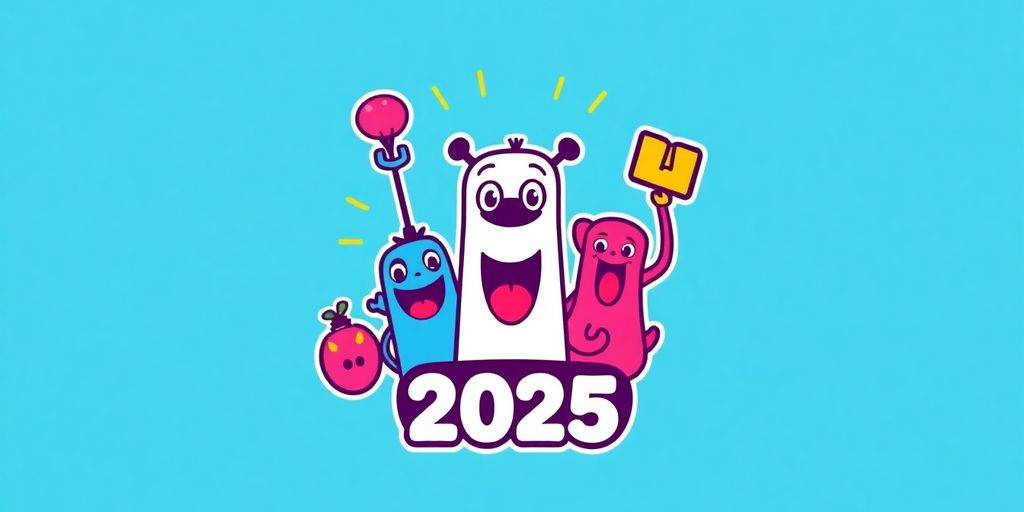
Character-driven designs are making a big splash! It’s all about injecting some personality into your brand through quirky characters and playful elements. Think beyond just a simple logo; consider a character that embodies your brand’s values and connects with your audience on a more personal level. It’s a fun way to stand out and show off what makes you, well, you.
Quirky and Playful Elements
Logos are getting a lot more fun. We’re seeing more playful monograms and less serious designs. Think animated creatures bursting out of lettering or objects interacting with the brand name. It’s about showing that your brand doesn’t take itself too seriously and is willing to break the mold. These elements can be anything from a winking eye on a letter to little shoes dangling from a logo – small touches that add a lot of character.
Organic Shapes and Lines
Say goodbye to rigid, corporate designs. The trend is moving towards more natural, free-flowing shapes and lines. This gives logos a softer, more approachable feel. Think hand-drawn elements, doodles, and sketches that bring a human touch to the design. It’s all about authenticity and creativity, making brands feel more relatable and down-to-earth. It’s like your logo is giving you a friendly hug.
Expressive Brand Personalities
Character-driven designs are all about showing off your brand’s unique personality. It’s not just about a pretty picture; it’s about telling a story and connecting with your audience on an emotional level. Consider these points:
- What are your brand’s values?
- What kind of tone do you want to convey?
- Who is your target audience?
By answering these questions, you can create a character that truly represents your brand and resonates with your customers. It’s about creating a visual representation of your brand’s soul. Think of it as giving your brand a voice, but in picture form. It’s a great way to make a memorable brand impression.
Wrapping It Up
As we look ahead to 2025, it’s clear that logo design is changing fast. Small businesses have a chance to stand out by using these new trends. Minimalism is getting smarter, 3D designs are adding a cool touch, and custom fonts are helping brands show their unique style. Plus, there’s a big push for sustainability and animated logos that really grab attention. Nostalgia is back in style, and brands are focusing more on being inclusive. For small businesses, keeping up with these trends means creating logos that not only look good but also connect with people. A strong logo can make a lasting impression and help build loyalty. So, whether you’re starting fresh or updating your current logo, these trends can guide you to make something that truly represents your brand.
Frequently Asked Questions
What is minimalism in logo design?
Minimalism in logo design means creating simple and clean logos that focus on essential elements without extra details.
How can logos show diversity?
Logos can show diversity by using colors from different cultures, symbols that represent unity, and fonts that support multiple languages.
What is mix and match typography?
Mix and match typography is a trend where different fonts and styles are combined in a logo to create a unique and interesting look.
Why are 3D elements popular in logos?
3D elements are popular because they add depth and make logos look more engaging and memorable.
What are sustainable design practices in logo creation?
Sustainable design practices focus on using eco-friendly materials and creating logos that last a long time while being good for the environment.
What are animated logos?
Animated logos are logos that have movement or change, making them more lively and interesting to viewers.
